
Podcast: Play in new window | Download
Subscribe: Apple Podcasts | RSS
Most of us are grateful when road crews prepare for winter storms. Brine on the pavement can mean the difference between safety and danger. But what if something meant to help us in the moment carries hidden effects over time? Today’s message begins with winter weather and leads us to an unexpected reflection on our spiritual lives.
It was a quiet Saturday morning here in the mountains of South Carolina when I wrote this. Quiet, but unusual.
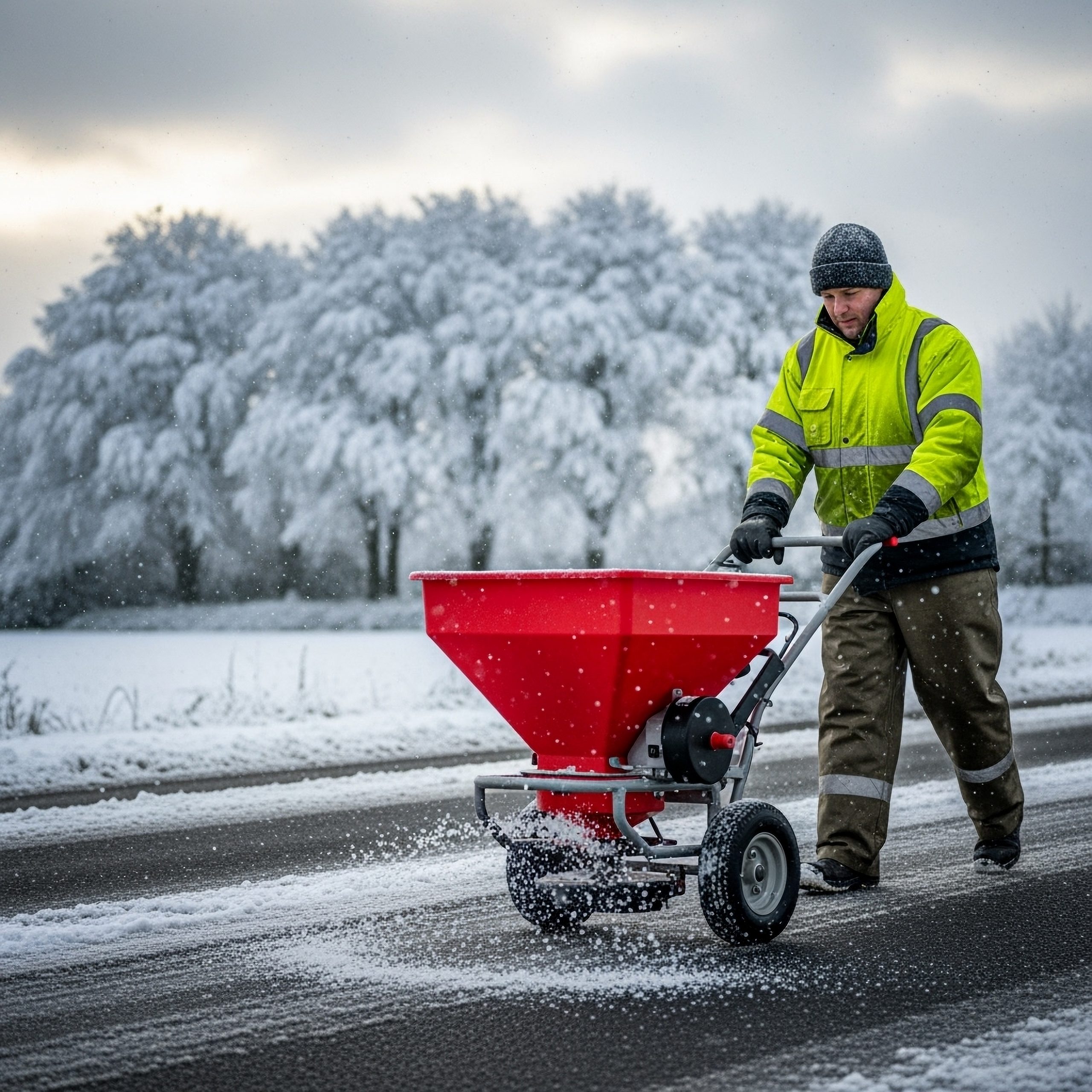
Two weeks ago, we experienced a significant ice storm, the most ice our area has ever seen. Trees bowed. Power lines sagged. Power outages occurred. Roads turned treacherous. Then last week, only seven days after the first storm, we experienced another rare event, heavy snowfall accumulating to almost eight inches, combined with gale-force winds.
As I listened to the weather forecast on the day of the second storm, one detail caught my attention. The reporter mentioned that South Carolina maintains roughly 20,000 miles of roadway, and that in preparation for storms like these, millions of gallons of salt brine are applied to keep travelers safe.
That number stayed with me and prompted me to write this message.
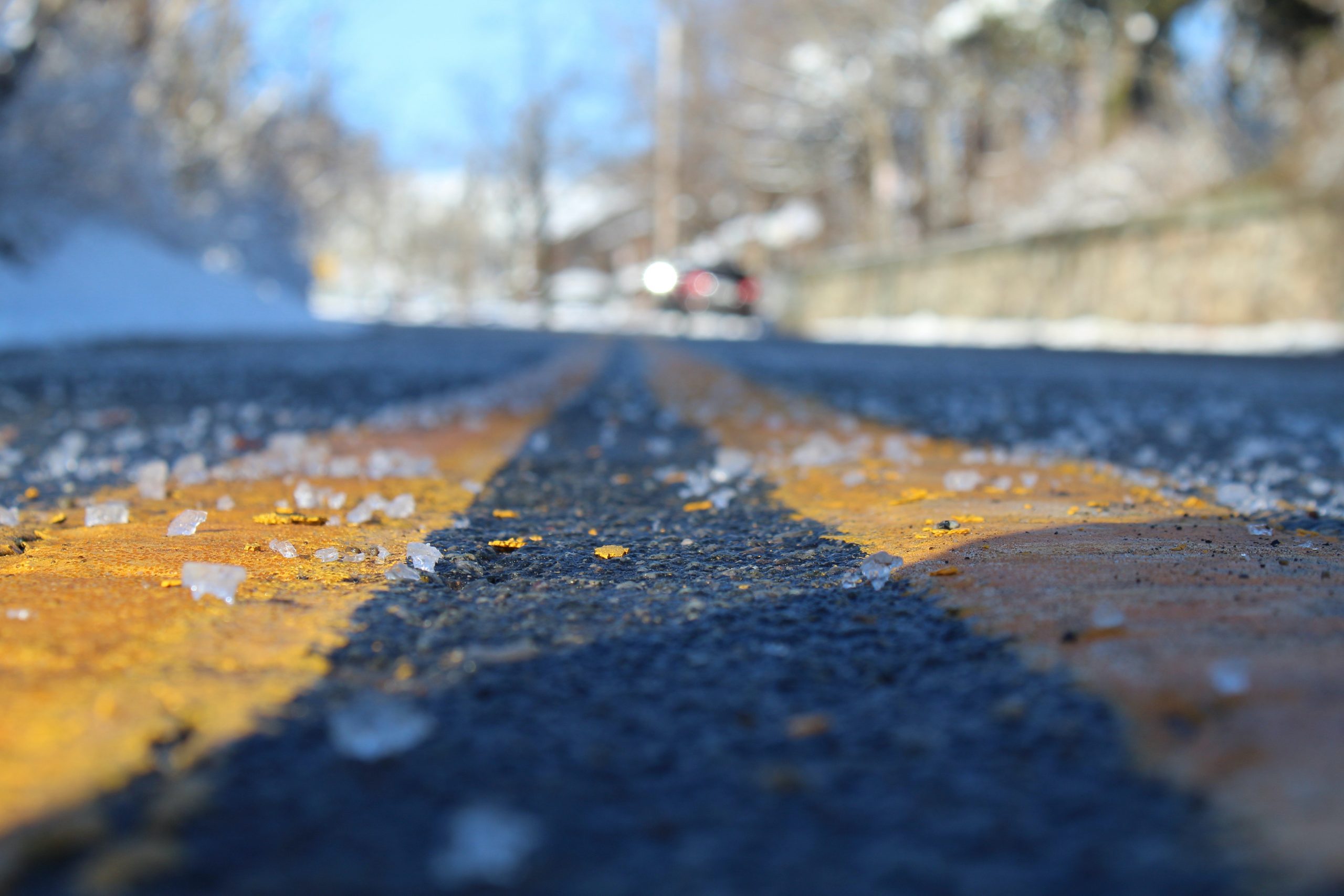
Like most of us, I’ve always thought of salt brine as a good thing. It keeps roads passable. It prevents accidents. It helps us get where we need to go. On the surface, it feels entirely positive. Necessary, even.
But curiosity got the better of me, and I decided to do a little reading.
What I discovered was sobering.
Study after study shows that while salt brine helps us in the moment, it doesn’t simply disappear once the snow melts. I learned that nationwide we spread more than 24.9 million tons of salt, along with another 144 million gallons of salt brine, on our roads each year. Chloride levels rise in streams and lakes. Salt seeps into groundwater. Over time, wells, drinking water, aquatic life, and soil can all be affected. The impact is often slow, cumulative, and largely unseen.
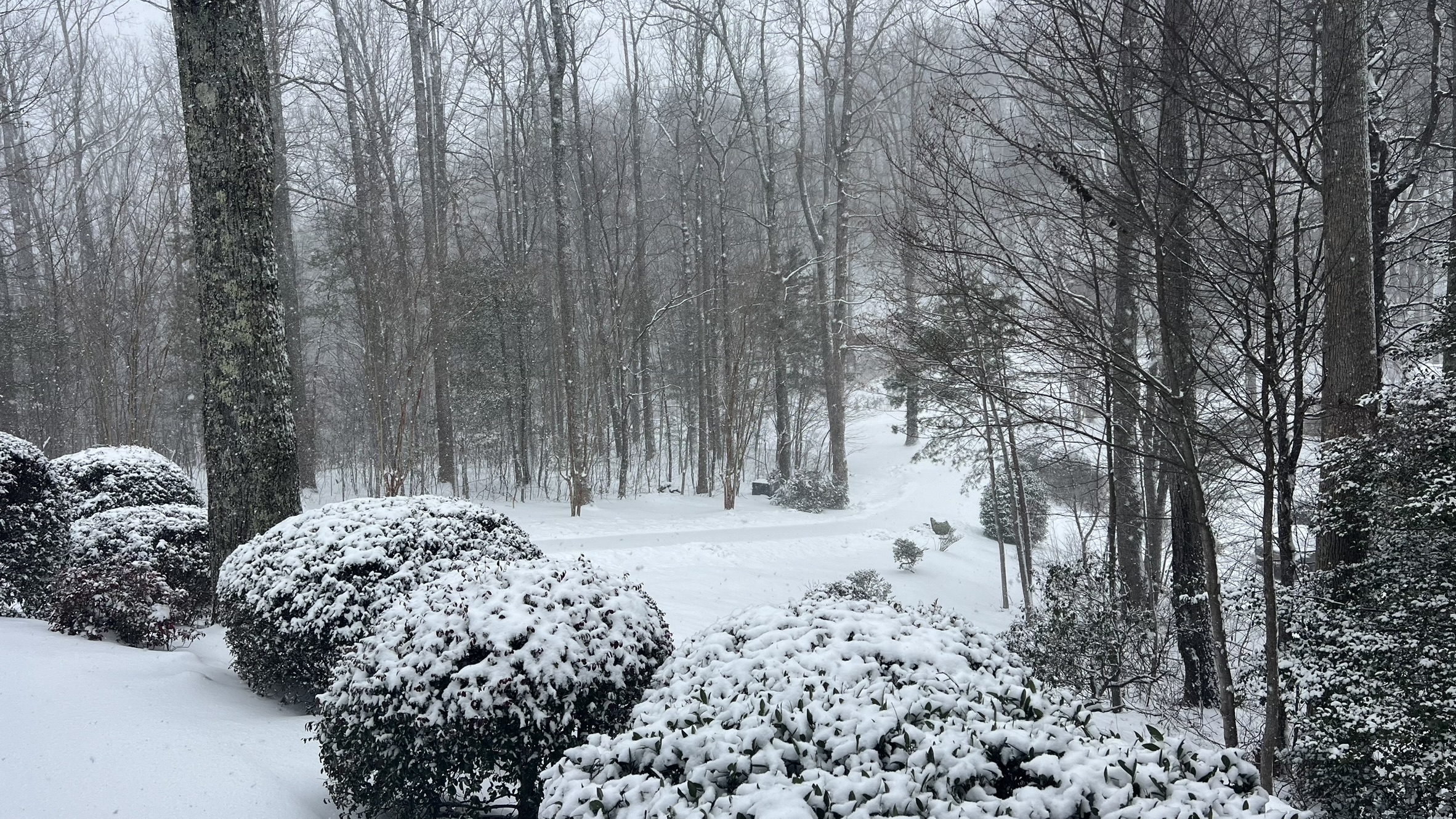 My snow covered mountain driveway
In other words, something that looks helpful on the surface can quietly cause damage beneath it.
That realization caused me to stop and think.
Because it isn’t just true of road salt.
It is often true of our spiritual lives as well.
There are things we do, habits we carry, and patterns we accept, that seem harmless, or even responsible, at first glance. They may keep life orderly. They may reduce conflict. They may help us cope. And because they work in the short term, we rarely question them.
Yet beneath the surface, they can slowly shape our hearts in ways we never intended.
- We may stay constantly busy and call it productivity, while prayer and silence quietly disappear.
- We may avoid hard conversations and call it kindness, while resentment takes root.
- We may stay endlessly connected to news, media, and noise, calling it staying informed, while our compassion erodes.
- We may keep faith polite and private, calling it humility, while the name of Jesus slowly fades from our daily awareness.
- We may repeat familiar religious routines without reflection, calling it faithfulness, while our hearts remain unchanged.
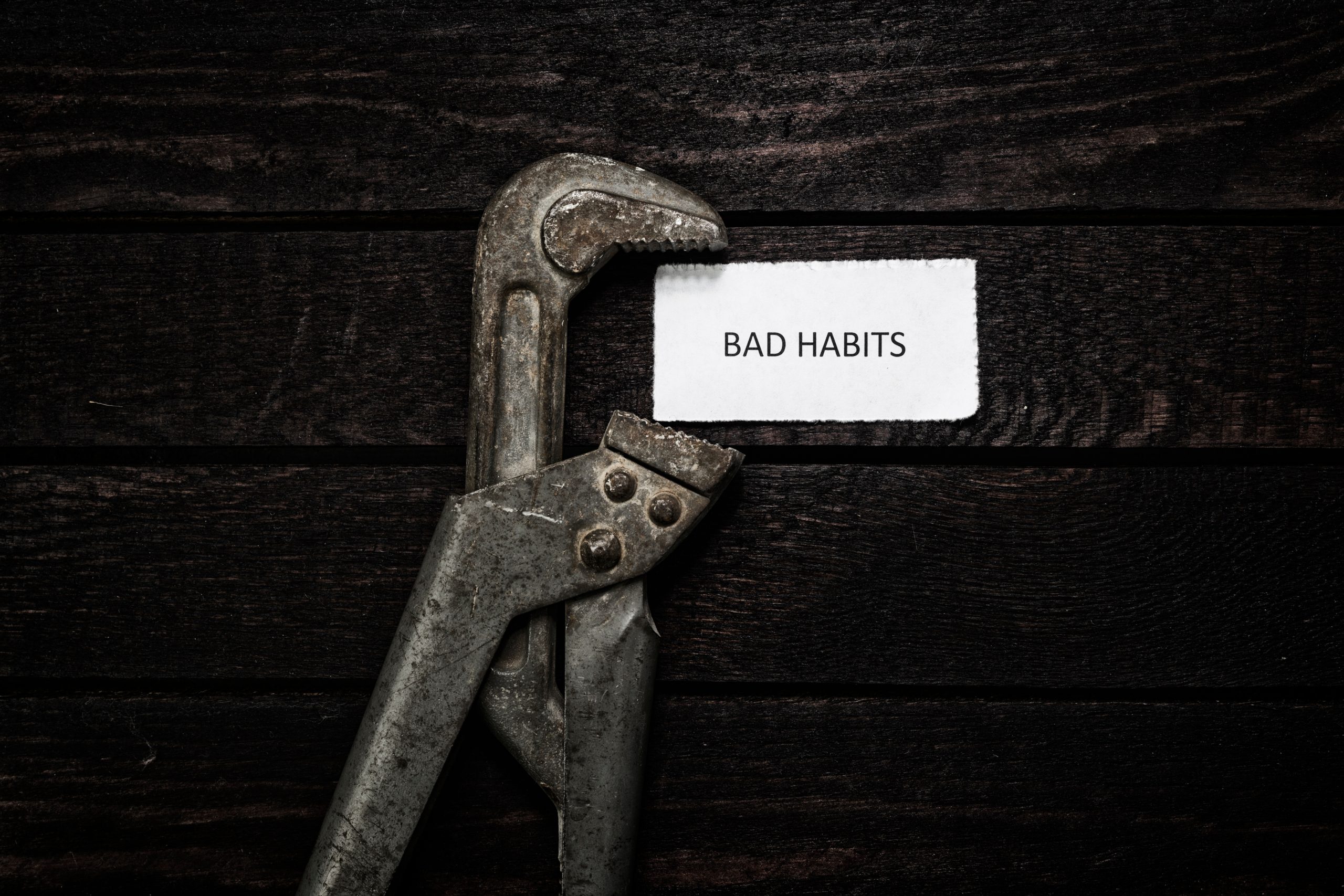
None of these choices feel dangerous. In fact, most feel reasonable. Even wise. But over time, they can salt the soil of our inner lives.
In Mark 8:15, Jesus warned us about this slow, hidden effect when He spoke of “the leaven of the Pharisees and the leaven of Herod.” Leaven works quietly. It spreads slowly. By the time its influence is obvious, it has already changed the whole loaf.
Spiritual erosion rarely announces itself with a storm. More often, it happens through small, repeated choices that go unexamined.
Winter road crews have learned that the goal isn’t to eliminate salt entirely, but to use it wisely, sparingly, and with awareness of its long-term effects.
Perhaps our life with Christ calls for the same kind of discernment.

Not everything familiar is life-giving. Not everything convenient is forming us well. And not everything that keeps life moving smoothly is drawing us closer to Jesus.
As the snow fell outside my window that morning, I found myself praying for the grace to look beneath the surface. I reflected on two thoughts. Perhaps they are worth reflecting on together.
- Like the salt on the road, do the things I do and take for granted each day simply get me through each moment?
- And, what are those things doing to my heart over time?
Those two back to back storms helped me to realize that, like the environment, faith is shaped not only by the storms we endure, but by what we allow to accumulate quietly beneath our feet.
Heavenly Father, give me the grace to look beneath the surface of my days, my habits, and my choices, and to notice what may be quietly shaping my heart. Where I have accepted what is familiar without reflection, invite me into deeper discernment. Help me to release what slowly erodes my spirit and to desire what draws me closer to You. Amen.
AMDG
AMDG is a Latin abbreviation for “Ad Majorem Dei Gloriam,” which means “For the Greater Glory of God.”
I always love to hear from you. You can email me by clicking here.
Please take a moment to share your thoughts about today’s message below.
If you are in the vicinity, please join us on March 14th at St. Anthony of Padua Catholic Church for a LENTEN RETREAT. Click the link for more details.

- Love Is the Answer - March 30, 2026
- A Lesson From Lincoln - March 22, 2026
- Beneath the Green - March 16, 2026

Of all the emails I receive each day, I chose to listen to this podcast today… divine intervention! This was exactly what I needed to hear today!
Thank you. Brian for your listening heart, this talk was perfect timing as I head into the Lenten season, Beneath the surface!
Have you ever seen what the salt brine does to the undercarriage of a car! = not good = rust & corrosion…similar to sin on our souls
John
Great analogy!
Brian
Thought provoking! Thank you for sharing.
Brian, excellent traction on the road maintenance of our highway to heaven. This comes under the mia culpa of what I have failed to do. A very healthy reflection in our need for God to show me the way. A more excellent way of 1 Cor. 13! Thanks and God bless