
Podcast: Play in new window | Download
Subscribe: Apple Podcasts | RSS
Have you ever noticed how little our tastes change over time? The foods we loved as children often become lifelong favorites, not because they are the best for us, but because they are familiar. Could the same thing be happening in our spiritual lives? Find out in today’s message.

I grew up in a small town in northern Ohio where canned vegetables were not just something we ate, they were part of who we were. Norwalk was home to one of the major Stokely Van Camp plants, and during my childhood it felt like everyone either worked there, had worked there, or was related to someone who did. Both of my grandparents worked at Stokely’s. My grandfather spent fifty-three years there as a mechanic, and when he first started, he was literally driving a team of horses, hauling vegetables from the fields to be canned. My grandmother worked there too. For our family, and for many families in town, Stokely’s was not just a place of employment. It was a way of life.
Like so many young people in town, my parents both worked at Stokely’s when they were starting out. In fact, that is where they met. The plant was just down the street from where we lived, and on many days you did not need a calendar to know what season it was. You could tell by the smell in the air. If they were canning sauerkraut, the entire town knew it. If it was peas or corn, that smell drifted through open windows and into daily life. As kids, we did not think twice about it. That was simply how life smelled.
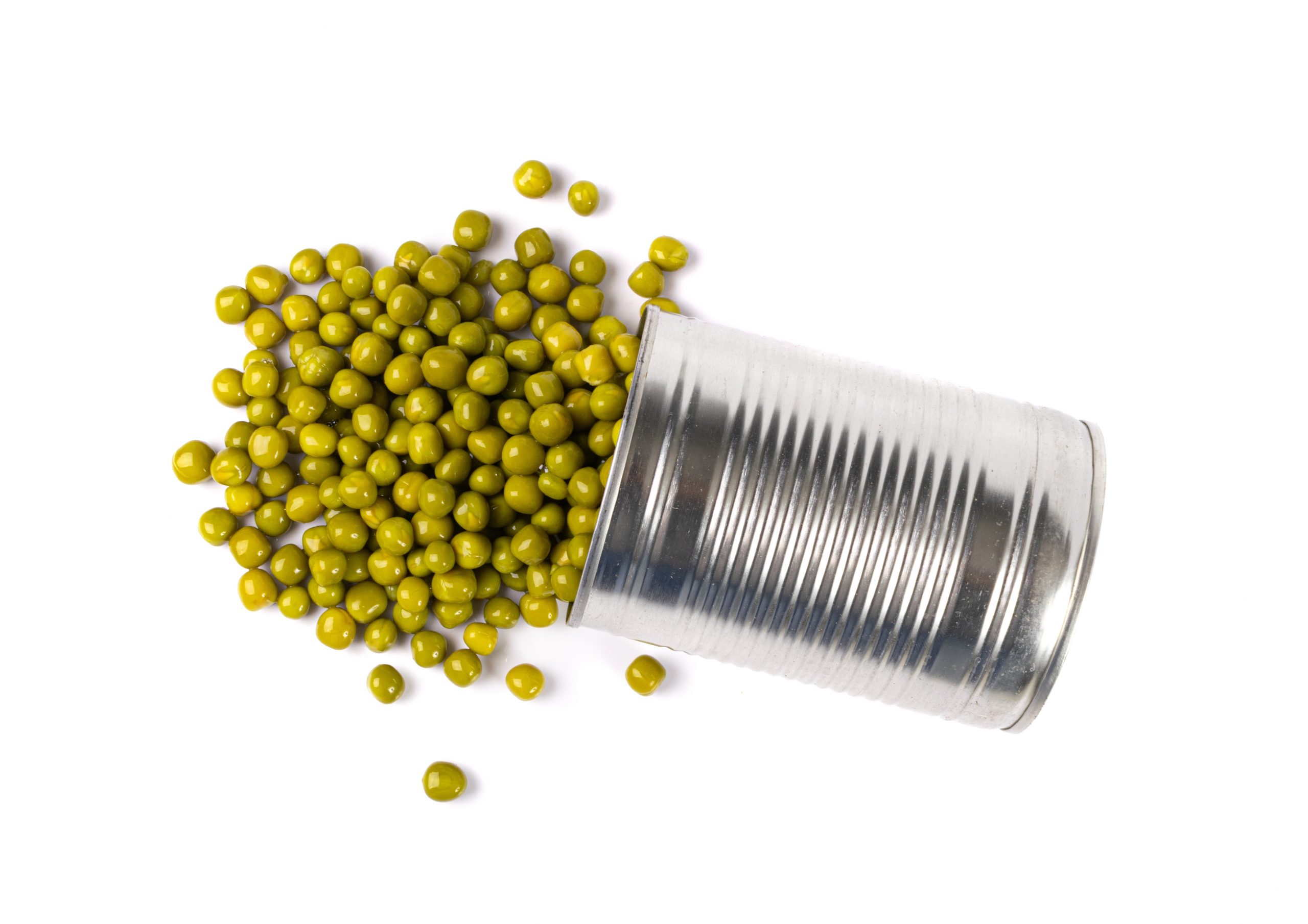
Because of that, I grew up eating canned vegetables and loving them. Peas were, and still are, my favorite. As an adult, I am fully aware that canned vegetables lose much of their nutritional value. I know fresh or frozen is better for us. But taste is not just about food. It is about memory, habit, and what we have been formed to love over time. I never really acquired a taste for fresh peas. I acquired a taste for canned ones.
The other evening, my wife and I were sitting down to a very ordinary meal consisting of pork chops, fried potatoes, and canned peas. As I was eating, enjoying that familiar taste I have known my entire life, something quietly stirred in me. It was one of those moments that seems insignificant at first but refuses to leave you alone. By the time dinner was over, I realized I had been handed a small but meaningful spiritual insight.
There is nothing wrong with canned peas. I enjoy them. I always have. I am comfortable with them, and at this point in my life, I am probably not going to change. In the grand scheme of things, that is harmless. But comfort and habit have a way of quietly taking over without asking permission. We do what we have always done because it is what we have always done, and we become quite content to leave it there.
That realization led me to a question worth sitting with: if we were to honestly examine our lives, can we easily see areas of our spiritual life where we have become complacent? Are there places where habit has replaced intention, where comfort has taken the place of growth?
Jesus was gentle and compassionate, but He was never interested in leaving people settled into spiritual comfort. Again and again, He disrupted routines, assumptions, and religious habits that had grown too familiar. Not because prayer, worship, or devotion were bad, but because familiarity can quietly convince us that we no longer need to grow.
Jesus once said, “No one pours new wine into old wineskins. Otherwise, the new wine will burst the skins, and it will be spilled, and the skins will be ruined.” (Luke 5:37)
The problem was not the wineskins. The problem was that they could no longer hold something new.
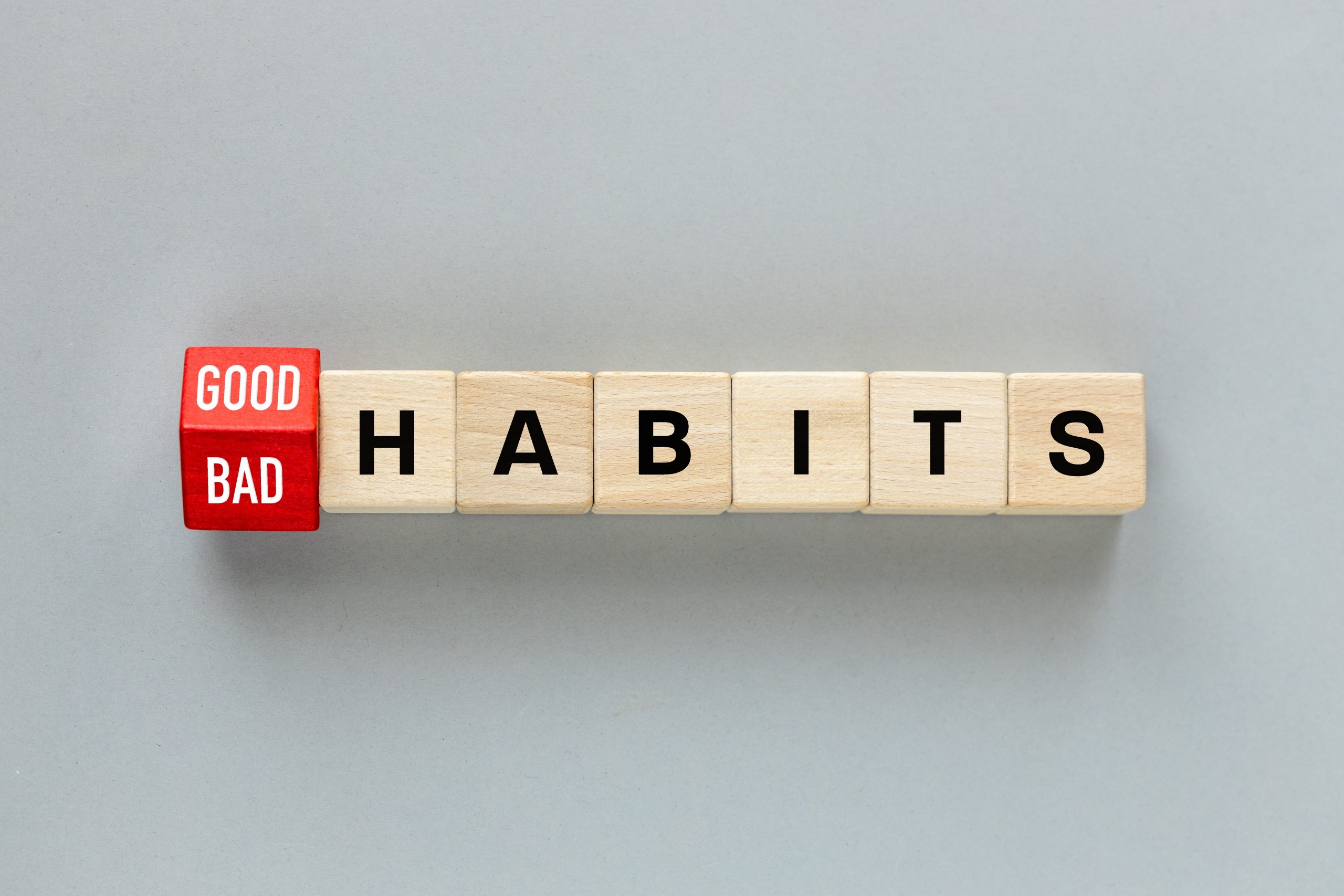
When habits remain in the kitchen, they are just habits. But when habits settle into our spiritual life, they can slowly dull our hunger. We pray the way we have always prayed. We pray for the same amount of time, in the same way, with the same expectations. We attend worship faithfully, but without asking whether God might be inviting us deeper. None of this makes us unfaithful. It simply makes us human.
Faith was never meant to be canned. It was meant to be living, growing, stretching, and renewing us over time. Growth rarely happens in comfort. It happens when we allow God to gently examine our routines and ask whether they are still helping us become who we are called to be.
The invitation here is not to discard what has shaped us, but to be open to what God may want to do next. Sometimes that invitation comes in the most ordinary moments, even over a plate of pork chops, fried potatoes, and canned peas.
Heavenly Father, I thank You for meeting me in the ordinary moments of my life. Gently show me where comfort has replaced growth, and where habit has taken the place of desire. Give me the courage to examine my spiritual routines with honesty and humility. Lead me beyond what is familiar and into the deeper life You desire for me, so that my faith continues to grow, stretch, and bear fruit. Amen.
AMDG
AMDG is a Latin abbreviation for “Ad Majorem Dei Gloriam,” which means “For the Greater Glory of God.”
I always love to hear from you. You can email me by clicking here.
Please take a moment to share your thoughts about today’s message below.
If you are in the vicinity, please join us on March 14th at St. Anthony of Padua Catholic Church for a LENTEN RETREAT. Click the link for more details.

- Love Is the Answer - March 30, 2026
- When the Dance Returns - March 27, 2026
- A Lesson From Lincoln - March 22, 2026

Thank you, I guess, for the reminder. Canned peas were my least favorite food. My mom was old school and made me eat them. I couldn’t get up from the table until they were gone. Long after everyone else got up, I sat there trying to get the nerve to eat each one. I’d put a few in my mouth, gag, and do my best to swallow them.
Then she would get mad at me for gagging. “You’re doing that on purpose!”
It reminds me of what it’s like when people try to cram half baked, lazy, lousy theology down my throat.
Thank you for not doing that but instead serving up palatable and healthy spiritual food. 😊
Seek to hear God’s voice in all things…even in a can of peas 🙂
Amen!
What a touching ‘God prod’ over your dinner time!
It reminds me to be open to His little prods and find where they are nudging me, instead of retreating back into my comfort zone. Thanks so much for the background story too-reminded me of growing up near a chemical factory, where we never got used to the stinks!
Give me canned veg any day!
“He was never interested in leaving people settled into spiritual comfort. Again and again, He disrupted routines”,
Whoa! Truer words were never spoken… from someone who has been disrupted (several times in my life)
But, it is in the disruptive times that the growth happens. So glory to God, thank you for the disruptions!!
Kathy
Thank you for your post. And thank you for stating, “It is in the disruptive times that the growth happens.” Amen to that!
Brian
Brian, I had an opportunity to meet you at a regional Ultrea in Charleston about 15 years ago. Since then, Tuesdays have a special meaning with the arrival of your 4th Day Letters. They have added so much to my (and others) spiritual understanding. God Bless, AMDG
Rocky
Thank you for your very kind words. I am blessed to know you enjoy these messages. May God’s blessings be with you.
Brian
Well said Brian. I love the point that taste is not just about food. As you say, faith should not just be about habit. I hope I can use your inspiration to examine my faith life. May God bless you, your family and your ministry.
Thanks Jim!
excellent! Thank you for enlightening me NOT to become complacent in my faith, but to go beyond what is habit.
Bonnie
I am glad you found the message helpful.
Love your comparison and the great way to start my day reading your letters!
Blessings
Thanks Pat!
How luscious lies the pea within the pod.
-Emily Dickinson
…..or in the can…..
Thanks for your post.