

Podcast: Play in new window | Download
Subscribe: Apple Podcasts | RSS
Some lives look too damaged to matter. Too marked by failure to be useful. In today’s message, we reflect on a famous artist whose personal life was deeply troubled, yet whose work has helped people encounter Christ for centuries. It is a quiet but powerful reminder that even when our lives feel unfinished or broken, Christ can still be made known through us. I invite you to read on.

Michelangelo Merisi da Caravaggio lived a deeply troubled life. He was volatile, combative, and frequently in trouble with the law. He was arrested more than once for violent behavior. At one point, he killed a man in Rome and spent years fleeing justice, moving from city to city, never fully at rest.
There is no way to soften that history. His life was chaotic, and by most measures, badly broken.
And yet, Caravaggio created some of the most powerful and enduring Christian art the world has ever known.
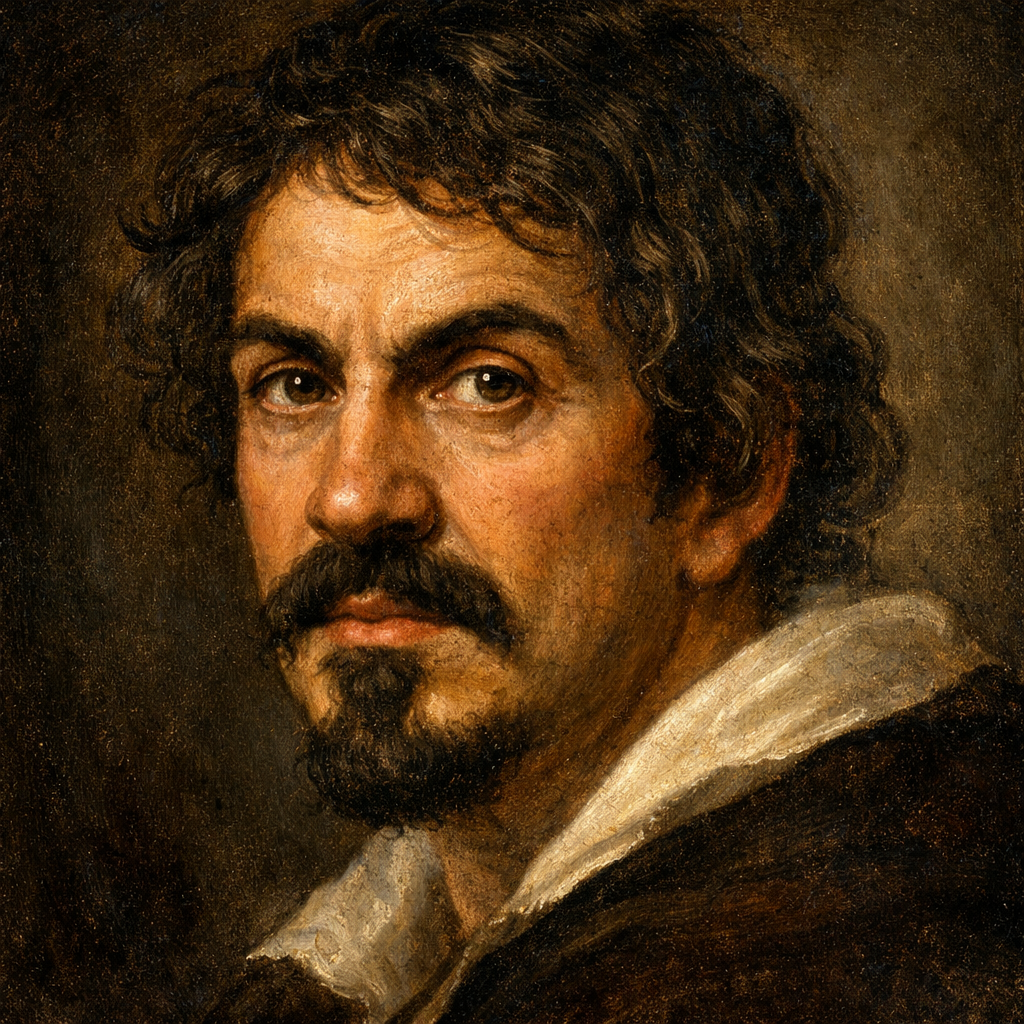
His paintings do not feel distant or idealized. They feel immediate. Human. Almost uncomfortable. Saints appear worn and weathered. Faces are lined. Feet are dirty. Light cuts sharply through darkness, illuminating moments of grace where we least expect them.
Looking at his work, we are left holding an uneasy tension:
How could such sacred beauty come from such a fractured life?
One of his most famous paintings shows the calling of Matthew, the tax collector. Christ enters an ordinary room. The light follows Him. Matthew, caught in the middle of his everyday life, seems to ask, “Me?”
There is no preparation. No visible repentance yet. Just a moment where grace interrupts the ordinary and calls someone forward.
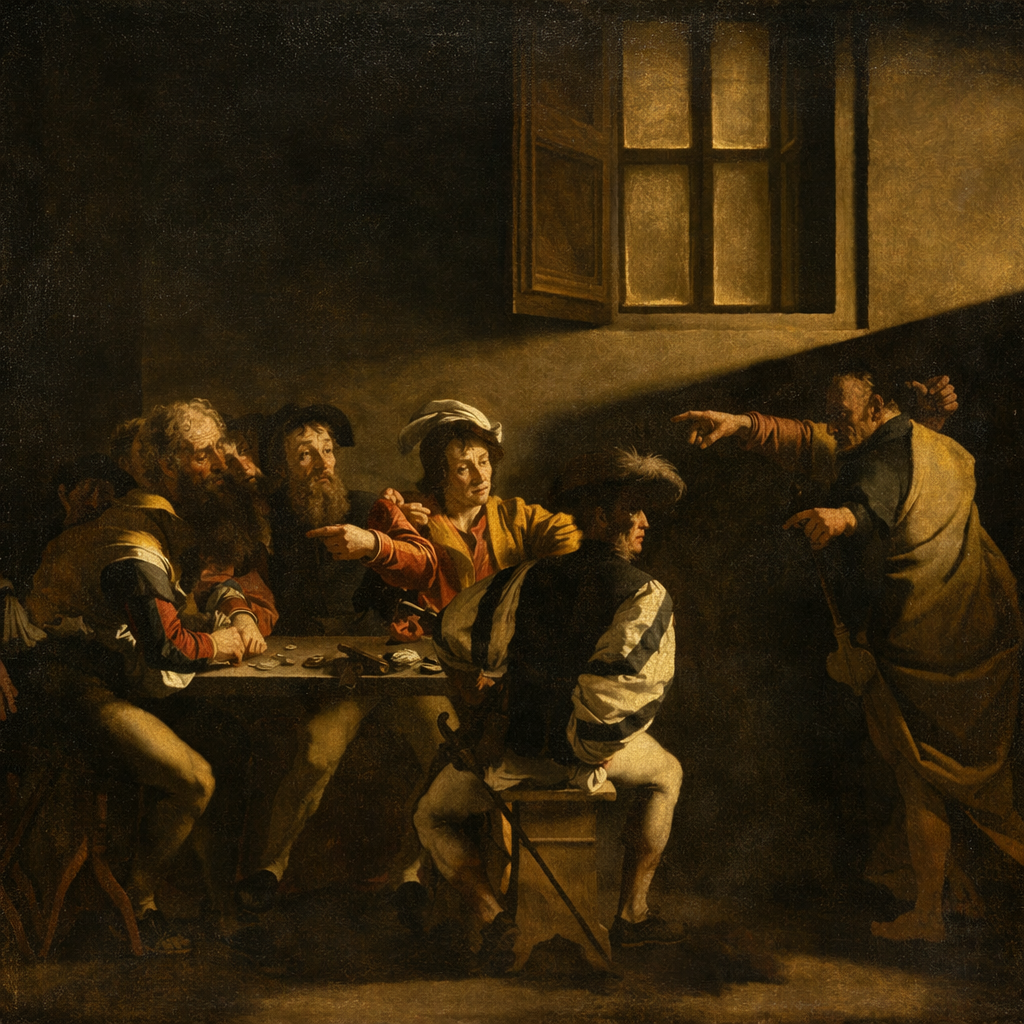
Caravaggio understood that moment deeply. Perhaps because his own life was rarely orderly or resolved. Perhaps because he knew what it meant to be interrupted by light while still living in shadow.
Again and again, Caravaggio painted encounters with Christ that feel startlingly close. Christ is recognized not through perfection, but through presence. Through broken bread. Through wounds that remain visible. Through light that enters dark spaces rather than waiting for them to be cleaned up first.
It would be easy to romanticize this. We shouldn’t.
Caravaggio’s sins mattered. His violence mattered. His failures mattered. And they had real consequences.
But here is the quieter truth his life still teaches us:
His life was not completely wasted.
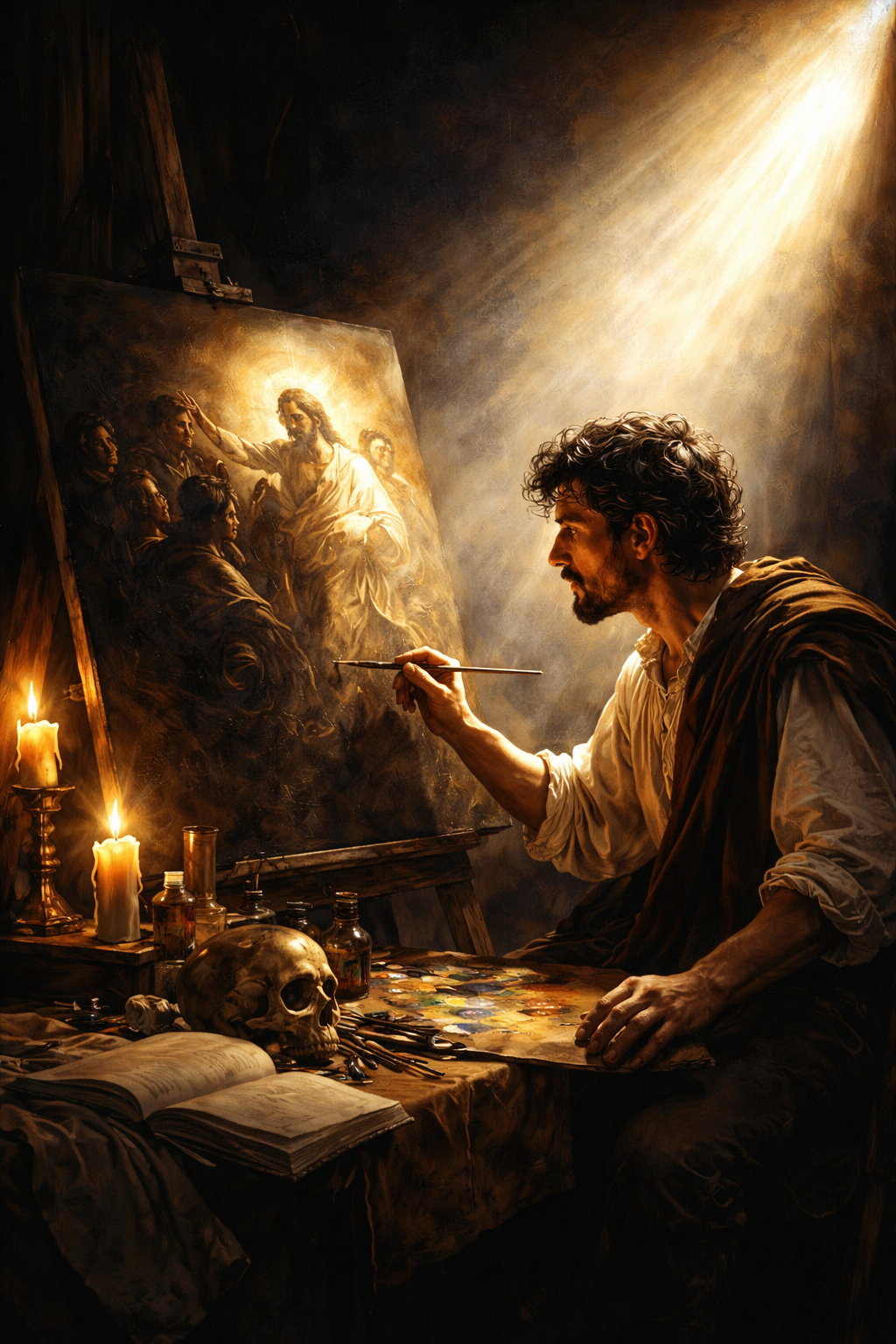
Despite his brokenness, and not because of his goodness, the light of Christ still shone through him. And it still does. Centuries later, people continue to encounter Christ through his work.
That truth brings the reflection uncomfortably close to home. This season of preparation before Easter often draws us into honest reflection, not to shame us, but to tell us the truth about ourselves.
If we are honest, all of us carry our own shortcomings and flaws. Our stories may not include public scandal or violent crime, but they are still marked by regret, weakness, poor choices, and patterns we wish we had outgrown by now. We know the places where we fall short. We know the ways we disappoint ourselves and others.
And so often, we quietly tell ourselves the same thing: Once I get this part of my life together, then I can be useful. Once I’m more patient. More faithful. Less reactive. Less broken.
But Caravaggio’s life stands as a difficult reminder that waiting for perfection may mean waiting forever.
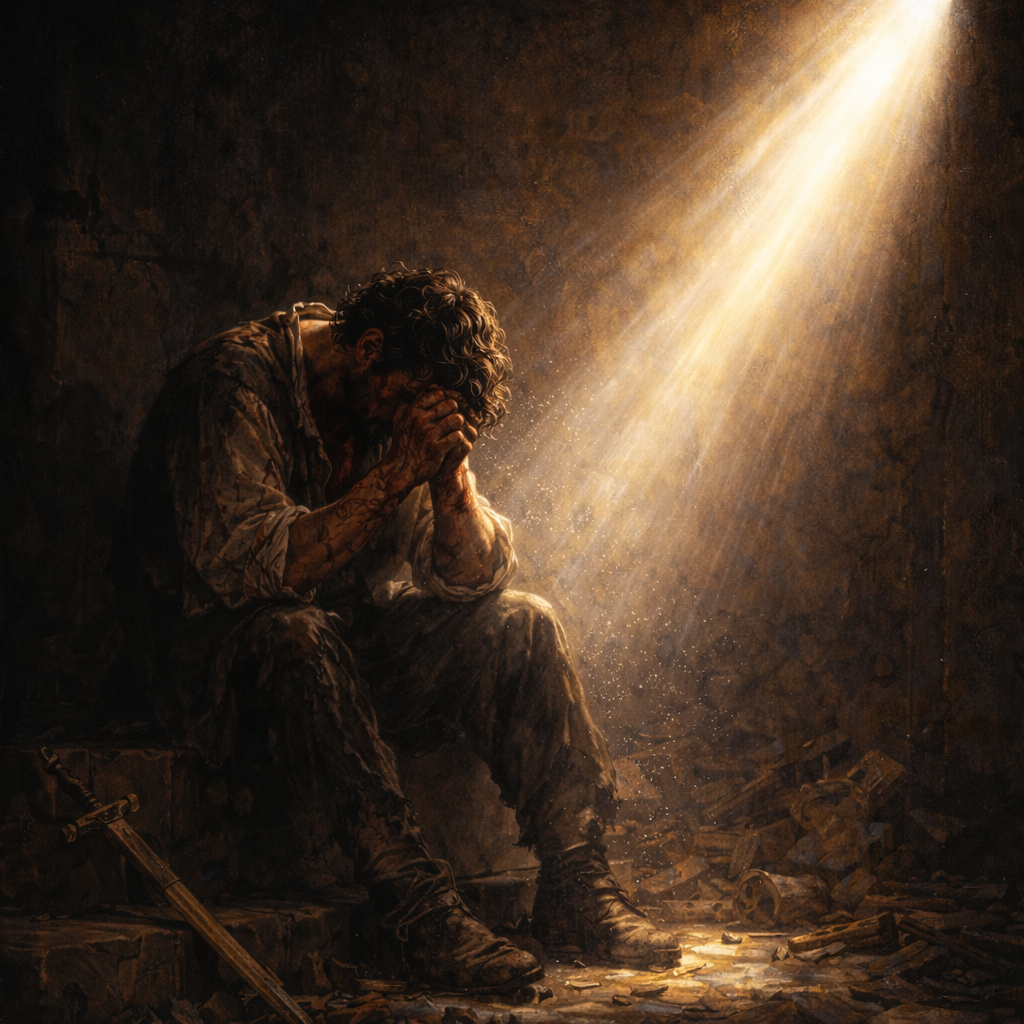
Christ does not seem to operate according to our timelines or conditions. Again and again, Scripture and history show us that He enters ordinary, imperfect lives as they are. Not because the brokenness does not matter, but because His presence matters more.
We are not asked to be flawless vessels. We are asked to be available ones.
Caravaggio did not resolve his life before the light passed through him. And most of us will not either. Yet Christ still chooses to dwell within imperfect people, allowing others to encounter Him in ways we may never fully understand.
That recognition matters, especially for those of us who carry our own struggles, regrets, and unresolved wounds.
For those who may not know, each week on the 4th Day Letters Podcast I close with these words:, “Be the door, no matter how broken you might be, through which others can enter to encounter Christ.” I don’t say this to excuse brokenness or to celebrate sin, but rather to remind us that troubled lives are not automatically disqualified lives. By the way, if you have never listened, the podcast is available wherever you listen to audio content.
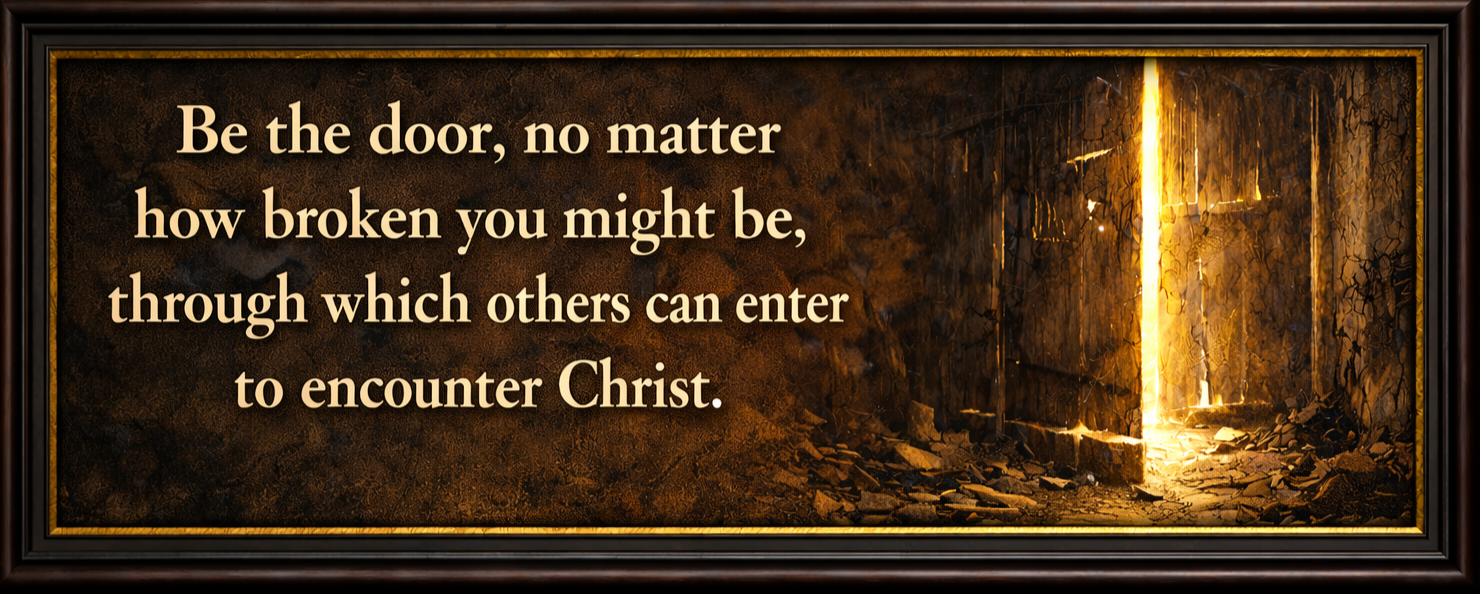
Caravaggio reminds us that Christ does not wait for everything to be fixed before making Himself known. Somehow, mysteriously, the light still gets through.
So, no matter what weighs on us this week, no matter how unsettled or unfinished our lives may feel, we are not without hope. Christ still chooses to dwell within imperfect people. And through that dwelling, others can still encounter Him.
Heavenly Father, I give You thanks for never abandoning what You have created. When I am tempted to believe my failures define me, remind me that Your light is stronger than my darkness. Use my life, imperfect as it is, to reflect Your presence in ways I may never fully see. Amen.
AMDG
AMDG is a Latin abbreviation for “Ad Majorem Dei Gloriam,” which means “For the Greater Glory of God.”
I always love to hear from you. You can email me by clicking here.
Please take a moment to share your thoughts about today’s message below.
Don’t miss out. Sign up today. Please join us on March 14th at St. Anthony of Padua Catholic Church in Greenville, SC for a LENTEN RETREAT. Click the link for more details.

- Love Is the Answer - March 30, 2026
- A Lesson From Lincoln - March 22, 2026
- Beneath the Green - March 16, 2026

How did you know I needed this message today, Brian?
Thank you for reminding me that even through my brokenness, His light can shine.
Thank you for today’s post. I was involved in a rather heated discussion recently about whether a recognized “sinner” ( David Haas) could still be recognized for his musical contributions. I was definitely on the “yes” side. Others felt strongly that his entire body of music should be eliminated from our liturgy. I lacked the words to adequately express what I felt in my heart. Thank you for helping me with that. I’m a strong believer in our “God of second chances . . . And 3rd and 4th and . . .
Loved this post today.
Our parish was fortunate to have had a pastor that had Bible studies that included ancient art work. His favorite was Caravaggio. He always pointed how Caravaggio used light in his paintings.
Brian, as always, your reflection is very thoughtful and poignant. Thank you for your ministry.
God bless,
Deacon Stick
Thank you for your post today Brian. His life (Caravaggio) is similar to the Apostle Paul. Made a lot of mistakes and from the outside seemed very unlikely to serve Christ. But at the end made a long lasting impact for centuries through his art.
This is a great reminder that no matter how broken we are Christ’s light still shines through.
Deacon Phil
Thank you for your post.
Brian
Outstanding reflection!
Brian
Thank You!
Brian
On point. 🎯
Jim
Thanks for your post!
Brian