

Podcast: Play in new window | Download
Subscribe: Apple Podcasts | RSS
Most of us carry patterns in our lives that did not begin yesterday. Certain reactions, comforts, preferences, and struggles seem to follow us year after year, even when our desire to grow is sincere. During this season of preparation before Easter, we are invited to look more honestly at what has shaped us and how God longs to renew us. Today’s message explores how we are formed long before we realize it and why understanding that formation is not an excuse for our behavior, but an invitation to deeper healing and transformation. I invite you to read more.

Most of us can trace certain preferences back a long way. The foods we like. The comforts we reach for. The ways we react under stress. Even the patterns we fall into when we feel afraid, lonely, or overwhelmed. Often, those pathways were shaped long before we were fully aware of what was happening.
Some of these preferences are harmless and even endearing. A favorite ice cream flavor. A particular way we take our coffee. Others carry more weight. They show up in how we handle conflict, how we respond to criticism, how quickly we withdraw when things feel uncomfortable, or how we seek relief when life feels heavy.
Both psychologists and neurologists speak of adolescent brain mapping, the process by which repeated experiences, emotions, and coping strategies become deeply wired during our formative years. During adolescence, the brain is still developing, yet it learns rapidly. What brings relief tends to get remembered. What offers comfort or a sense of control tends to get reinforced. Over time, those learned responses can become familiar pathways we follow almost automatically.

Some of the experiences that shaped us were significant. Others may seem small or even meaningless when we look back. Yet all of them left an imprint. They helped form how we navigate relationships, how we protect ourselves, and how we respond when we feel vulnerable.
Understanding this does not remove responsibility from our adult lives. Scripture never suggests that it does. Knowing how we were formed is not the same as excusing what we do. But understanding formation does help us speak the truth about ourselves with greater honesty and less fear. It reminds us that many of the struggles we carry did not begin yesterday, and they are not simply the result of poor intentions or weak resolve.
Without that understanding, we often fall into harsh and unhelpful conclusions. We label ourselves. We grow impatient with our own lack of progress. We wonder why certain patterns feel so stubborn and resistant to change, even when our desire to live differently is real.
This season of reflection invites us not merely to try harder, but to look deeper. Scripture speaks directly into that tension. Saint Paul writes, “Do not conform yourselves to this age but be transformed by the renewal of your mind.” (Romans 12:2)
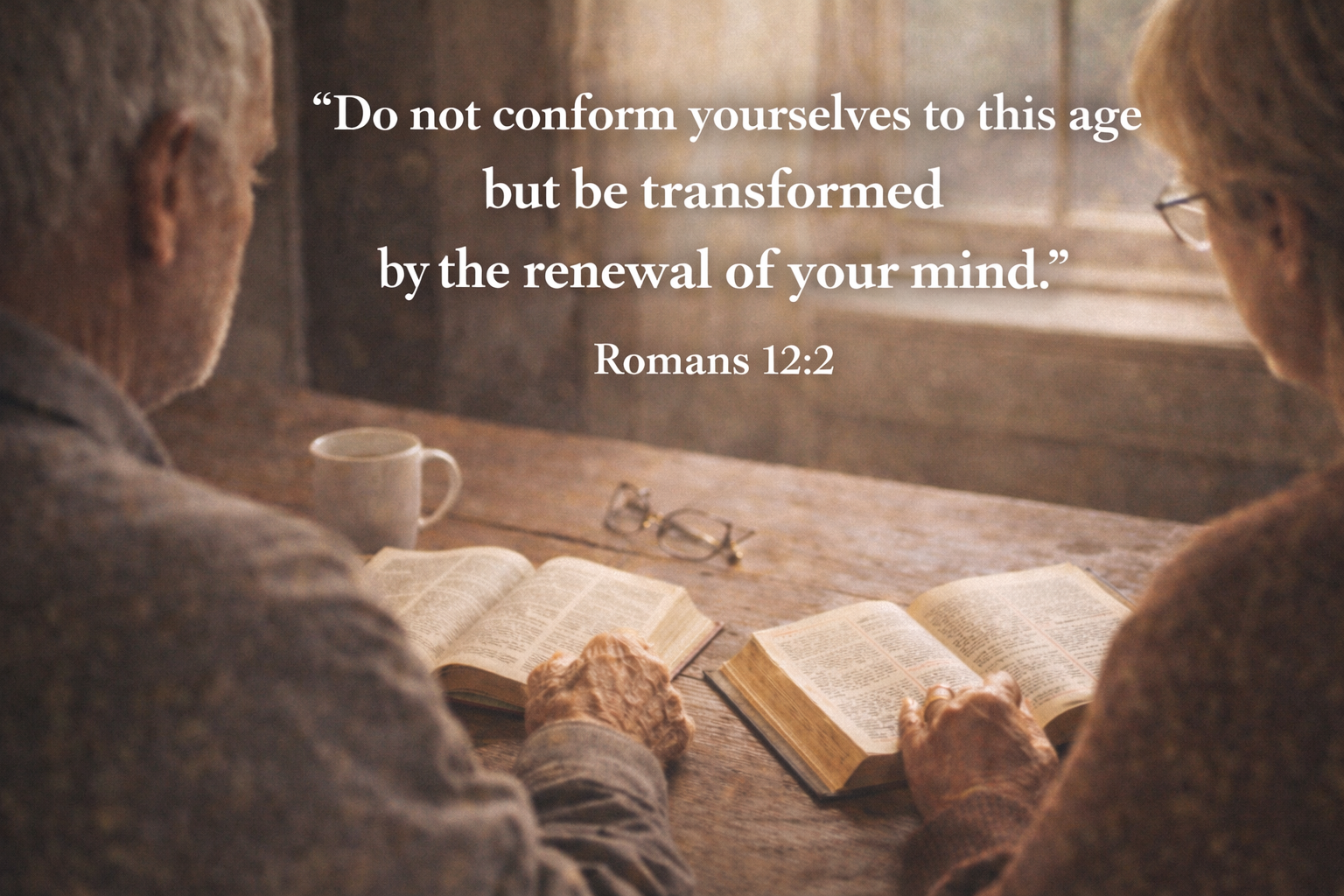
Paul does not deny that minds are shaped. He acknowledges it. Yet he also proclaims that renewal is possible. Transformation is not instant, and it is not superficial. It is the patient, faithful work of God renewing what has been formed over time.
This is why self-understanding matters in the spiritual life. When we begin to recognize how our minds and hearts learned to respond, we are better equipped to invite God into the places that truly need healing. We stop treating symptoms and begin paying attention to roots. Fasting, prayer, and honest reflection become less about proving something to God and more about allowing Him to reshape what was formed long ago.
The psalmist prays with that same honesty and humility: “Remember no more the sins of my youth; remember me according to your mercy, because of your goodness, LORD.” (Psalm 25:7)
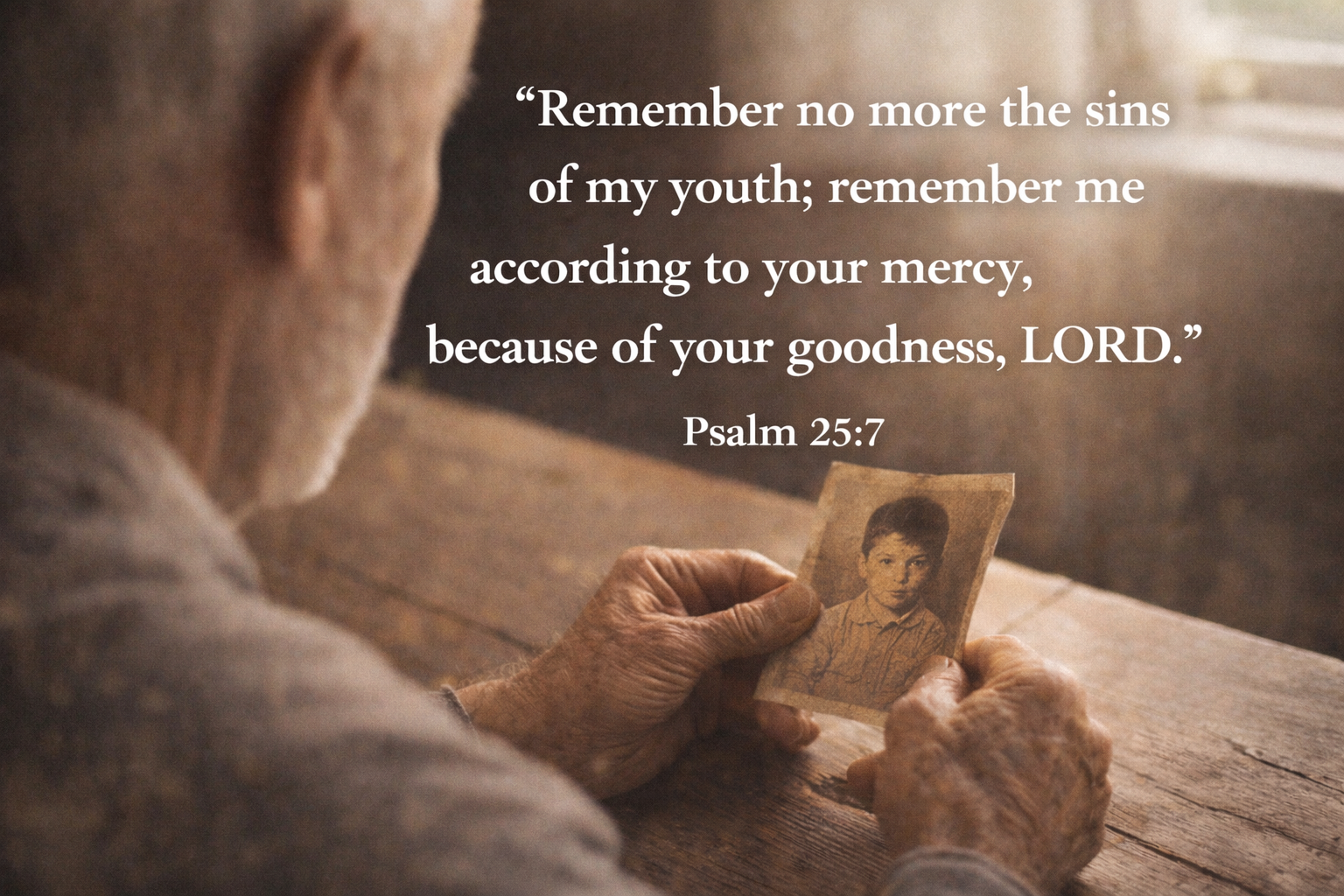
That prayer does not deny sin. It names it. Yet it also refuses to let shame have the final word. It trusts that God’s mercy reaches back further than our memories and forward beyond our fears.
When we misunderstand this balance, we tend to fall into one of two traps. Either we excuse everything by blaming the past, or we condemn ourselves relentlessly for not being further along. Neither path leads to freedom.
The spiritual life invites us into a more honest middle ground: a place where accountability and compassion meet, where truth is spoken without
cruelty, where mercy does not weaken holiness but strengthens it.
Lent reminds us that transformation is rarely dramatic and rarely instant. It is steady. It is humble. It is often quiet. But it is real.
We were not created to remain stuck.

We were created to be transformed!
Heavenly Father, I bring before You the parts of my story that were formed before I understood them. Help me see myself with truth and compassion, neither excusing my failures nor condemning myself for them. Teach me how You renew what was shaped long ago, and give me courage to walk forward in freedom, trusting that You are always at work within me. Amen.
AMDG
AMDG is a Latin abbreviation for “Ad Majorem Dei Gloriam,” which means “For the Greater Glory of God.”
I always love to hear from you. You can email me by clicking here.
Please take a moment to share your thoughts about today’s message below.
If you are in the vicinity, please join us on March 14th at St. Anthony of Padua Catholic Church for a LENTEN RETREAT. Click the link for more details.

- Love Is the Answer - March 30, 2026
- A Lesson From Lincoln - March 22, 2026
- Beneath the Green - March 16, 2026

Thank you Brian.
‘Grace Events’ like the Silent Retreat that changed your life in 2011 + the upcoming Men’s Cursillo Weekend July 23-26, 2026 @ the CCC near Hickory can pour in God’s grace and can help heal & wash away the wounds, pains, regrets of adolescence + bring us into closer personal friendship with Jesus.
Thank you Brian.
‘Grace Events’ like the Silent Retreat that changed your life in 2011 + the upcoming Men’s Cursillo Weekend July 23-26, 2026 @ the CCC near Hickory can pour in God’s grace and can help heal & wash away the wounds, pains, regrets of adolescence + bring us into closer personal friendship with Jesus.
Thank you, Brian, for an important reminder. I find myself struggling to change patterns that are not productive but are comfortable. As you suggest, understanding where those patterns come from is helpful. It doesn’t always lead to change but does offer that possibility. It helps me relate to Paul’s notion that I do what I don’t want to do not what I want do