
Podcast: Play in new window | Download
Subscribe: Apple Podcasts | RSS
Many of us have experienced a moment in our faith so powerful, so peaceful, so unmistakably God-filled that we quietly wished it would never end. Perhaps it happened on a retreat, in a quiet hour of prayer, during Lent, or in a season when everything else seemed to fall away and God felt closer than ever before. Those moments stay with us because they are real gifts. Yet they also leave us with a question we do not always like to ask: if those moments are so holy and so beautiful, why can’t we remain there? Find out in today’s message.
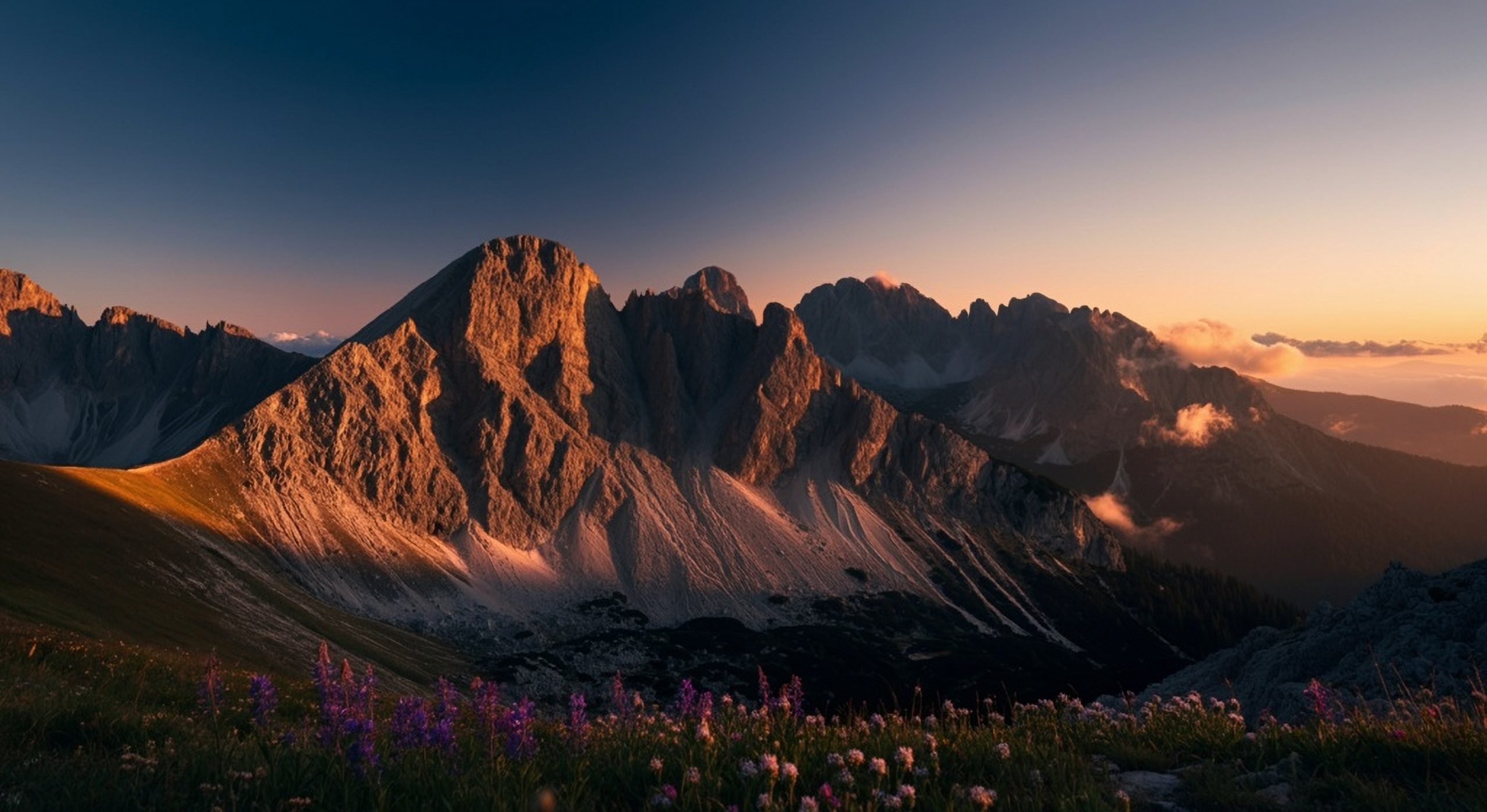
There is a moment in the Gospels that feels deeply human. Each year on the Second Sunday of Lent, the Church gives us the story of the Transfiguration, almost as if to remind us of what we are being prepared for. Jesus takes Peter, James, and John up the mountain. There, before their eyes, He is transfigured. His glory is revealed. Moses and Elijah appear. Heaven touches earth. Overwhelmed by the beauty of it all, Peter blurts out what most of us would say if we were honest: “It is good that we are here. Let us make three tents…”
In other words, let’s stay.
Who would not want to remain in a moment when God feels close, clear, and undeniable? Moments like that steady us. They awaken something deep within us and remind us that there is more to life than schedules, noise, and distraction.
I experienced one of those moments in 2014 when, overnight, I went blind. I have written about that season many times, but today I want to focus on one specific encounter.
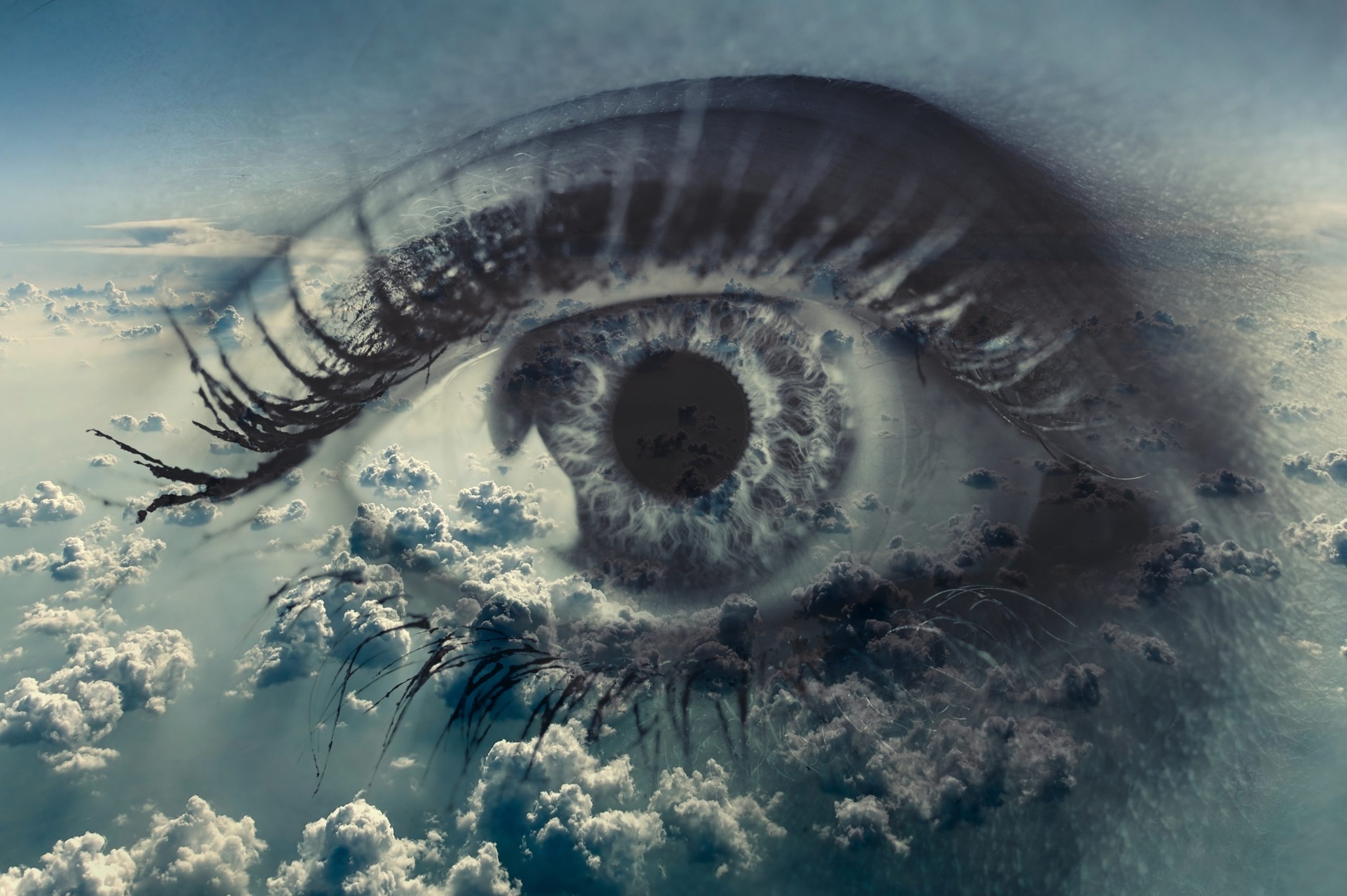
I was lying in the emergency room at Duke Medical Center in Durham, NC completely blind. I did not see shadows or light. I saw nothing at all. Even when the doctors shined bright lights directly into my eyes, there was only darkness.
And yet what filled that darkness was not fear, but an unexpected calm. With every distraction stripped away—no images, no movement, no visual noise—I found myself aware of God in a way I had never known before. Lying there in that hospital bed, I prayed words that surprised even me: “Lord, please don’t ever give me my sight back. I’ve never seen You more clearly than I see You right now.”
I knew I was experiencing something holy. It felt like a transfiguration moment. Like Peter, there was part of me that wanted to build a tent and remain in that clarity and closeness.
What I did not yet understand was that the mountain does not last.
By the end of that same week, I was also struggling to walk. I would eventually be diagnosed with MOG antibody disease. For most of the next ten years, my vision remained severely impaired, and I needed a cane or assistance just to move about. The moment of clarity did not remove the struggle. The prayer to remain did not mean I could stay in that hospital bed forever. Life—and calling—required movement.
Eleven years later, my illness is not cured, but it is under control. Through medical treatment that I can only describe as a nearly miraculous gift, I can now walk without assistance most of the time. I can also see well enough to drive again. But the deeper truth is this: I did not wait ten years to return to life. I could not. Like the disciples, I had to come down from the mountain. There was work to do.
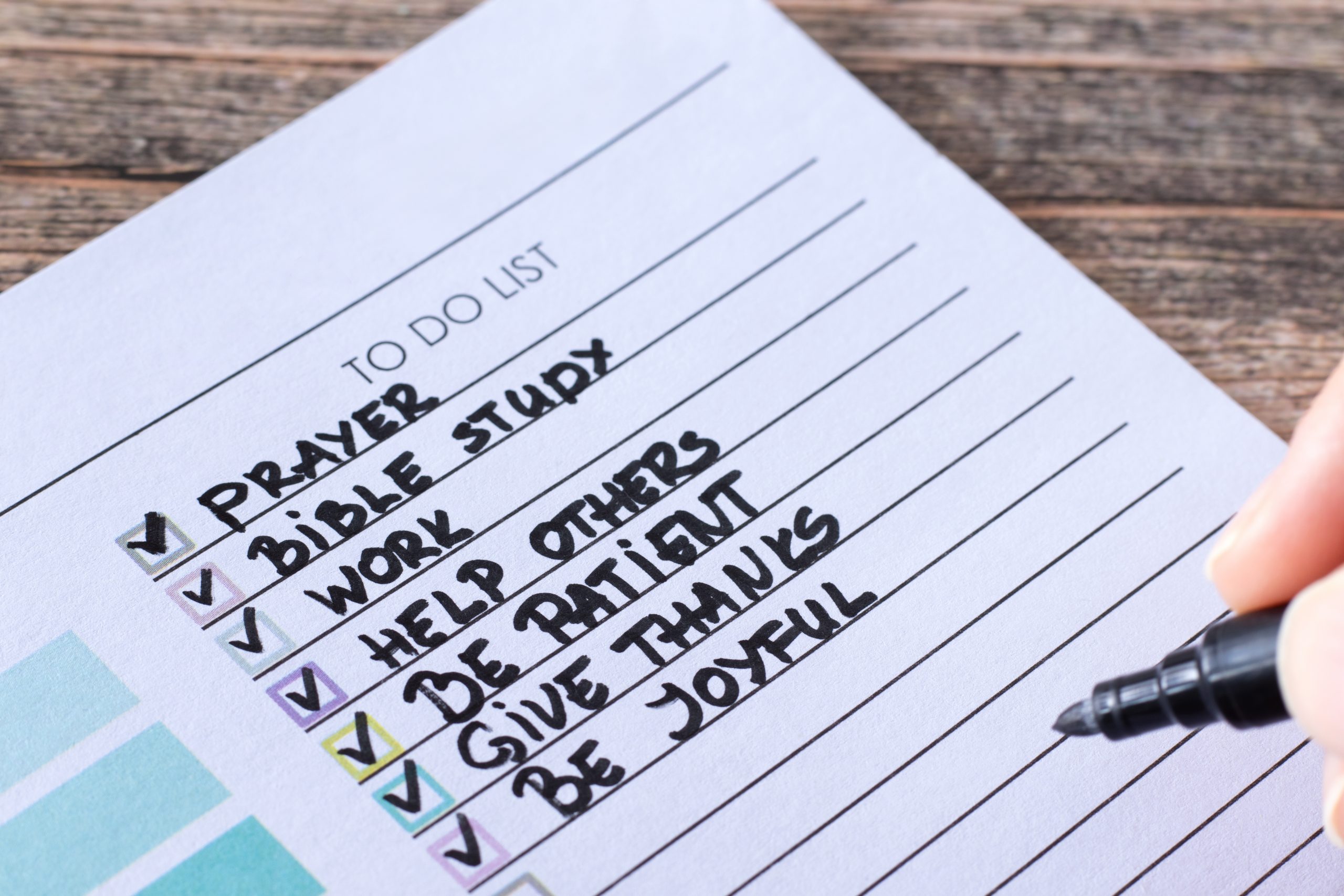
The Gospel never ends on the mountain. Jesus does not allow His friends to remain there, not because the experience was unimportant, but because it was preparation, not destination. The mountain reveals; the valley is where love is lived.
This is why this season before Easter matters. After moments of deep clarity, responsibilities return. Struggles remain. The quiet, daily work of loving, forgiving, serving, and persevering continues. Many of us have had our own transfiguration moments, even if we never called them that. A retreat that changed us. A prayer that pierced our heart. A season when faith felt effortless and near.
If we have been given such a gift, the question is not how to stay there, but what that moment prepared us for.
The Transfiguration strengthened the disciples for what lay ahead, even knowing suffering awaited them. God does not give us clarity so we can escape life. He gives it so we can reenter life with deeper trust. Those holy moments steady us when the road grows difficult and remind us God is present, not only in the extraordinary, but also in the ordinary and demanding places of our days.
The mountain is beautiful. But love is lived below it.
Each of us is invited to carry what we have seen back into a world that needs it. That is where faith becomes flesh again.
Heavenly Father, thank You for the experience of blindness. With it You allowed me to see You more clearly than ever before. In that moment, distractions fell away and Your presence felt near. Give me the grace not only to cherish that moment, but to carry it with me in the work of loving, serving, and persevering. And as each of us remembers the moments when You have drawn near in our own lives, help us to trust that You walk with us, both on the mountain and in the valley. May those close moments strengthen us to live faithfully wherever we are sent. Amen.
AMDG
AMDG is a Latin abbreviation for “Ad Majorem Dei Gloriam,” which means “For the Greater Glory of God.”
I always love to hear from you. You can email me by clicking here.
Please take a moment to share your thoughts about today’s message below.
If you are in the vicinity, please join us on March 14th at St. Anthony of Padua Catholic Church for a LENTEN RETREAT. Click the link for more details.

- Love Is the Answer - March 30, 2026
- When the Dance Returns - March 27, 2026
- A Lesson From Lincoln - March 22, 2026

Brian, terrific message. It opens our eyes. Thank you, Gayden.
Gayden
Thanks for posting and for your kind thoughts.
Brian
A lesser man—a man of little faith—would have wept in despair; your deep faith enlightened God’s clarity. Thanks for sharing His clarity.
Terry
Thank you for your post
Brian
Beautiful message, Brian.
God Bless you.
Thank you, Winnie!
Thank you. Thank you. Thank you. Your reflections never fail to lift, to challenge, to reveal, to help me draw closer to God.
Kathy
Thank you for your kind post and I am blessed to know you find the messages helpful.
Brian
I look forward to your 4th Day Letters. You found light and hope in darkness and you’re able to pass that experience on to others. You have an amazing gift. THANK YOU Brian!!!
Marcie
Thank you for your very kind words.
Brian