
Podcast: Play in new window | Download
Subscribe: Apple Podcasts | RSS
Death is the one appointment all of us will eventually keep, yet it may be the subject we avoid more than any other. Why do so many of us struggle to talk about dying, even when it involves someone we love? Have our efforts to keep death out of sight actually made it more frightening? I invite you to read more.
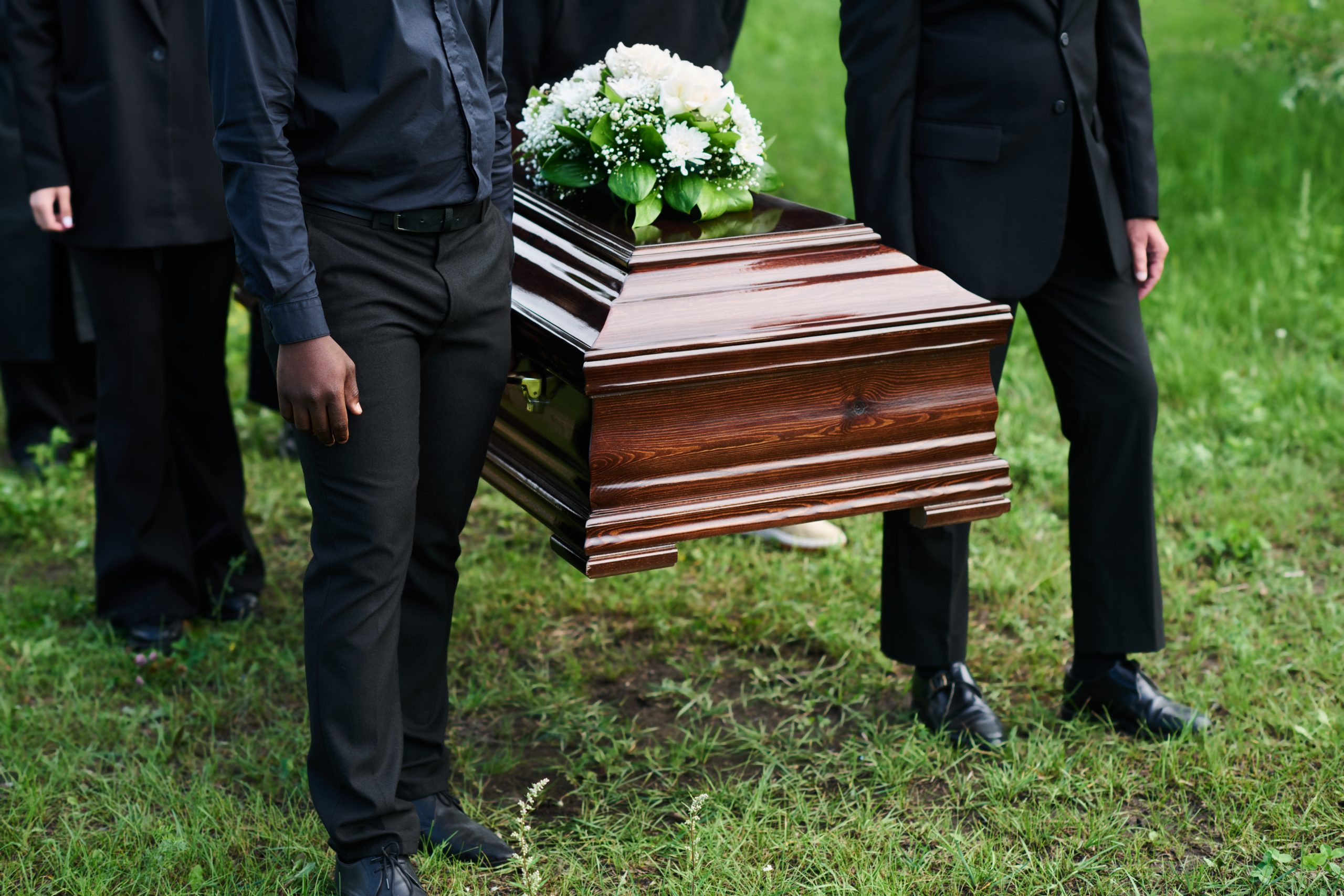
I find it interesting that many people can go years without ever seeing a dead body. That would have been unimaginable for most of human history. In biblical times, death was part of everyday life. Families cared for the dying, prepared bodies for burial, and openly mourned their loved ones. Today, death often takes place behind the closed doors of hospitals, nursing homes, and funeral homes, far removed from the daily lives of most people.
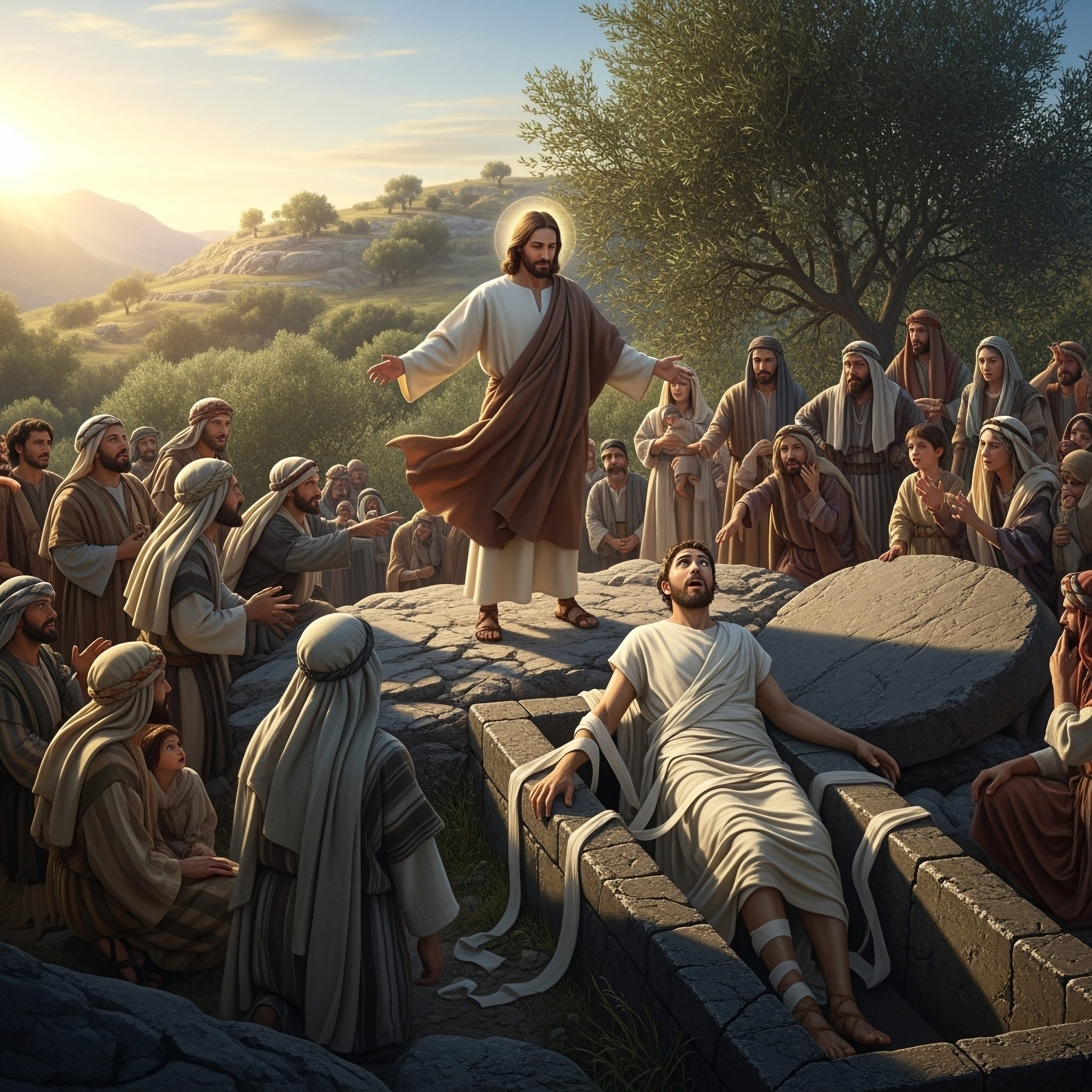
When Lazarus died, Martha didn’t pretend everything was fine. She told Jesus that her brother had been dead for four days and that there would be an odor. When Jesus died, His body was wrapped with spices and placed in a tomb. Death was not hidden. It was not sanitized. It was not pushed into the background. People saw it, smelled it, touched it, and grieved it.
Compare that with our modern experience.
Today, many people choose cremation. Memorial services are often held weeks or even months after a death. Open caskets are becoming less common. We speak of “celebrations of life” and often avoid even using the word “death.” We say someone has “passed away,” “passed on,” or “gone to a better place.” None of these practices are wrong, but they do raise an interesting question. Have we gradually removed death from view because we have become uncomfortable with it?
Hospice workers often encourage families to have honest conversations with loved ones who are nearing death. That makes a lot of sense.
How often do we discuss medications, treatment options, test results, and doctor’s appointments while avoiding the one topic everyone is thinking about? How often do we talk around death rather than about it? We discuss everything except the reality sitting in the room with us.

I sometimes wonder if our silence comes at a price.
If we spend our entire lives avoiding conversations about death, should we be surprised when death becomes one of our greatest fears? If we remove death from our homes, our conversations, and even our vocabulary, are we helping ourselves—or are we making death seem even more mysterious and frightening than it already is?
Previous generations certainly did not enjoy death. They mourned deeply. They wept. They suffered loss just as we do. Yet they lived much closer to death than we do today. Children attended funerals. Family members sat beside dying relatives. Death was acknowledged as a painful but unavoidable part of life.
Today, many people reach old age having had very few meaningful conversations about death. Then suddenly a diagnosis arrives, a hospitalization occurs, or a doctor says there are no more treatment options. A subject that has been avoided for decades can no longer be ignored.
Perhaps that is why so many people are afraid.
The Bible never hides death. Scripture speaks honestly about it from beginning to end. Abraham buried Sarah. Jacob gathered his family before he died. Lazarus was laid in a tomb. Jesus was crucified, buried, and raised from the dead. Death is never ignored, denied, or disguised.
Neither should we ignore it.
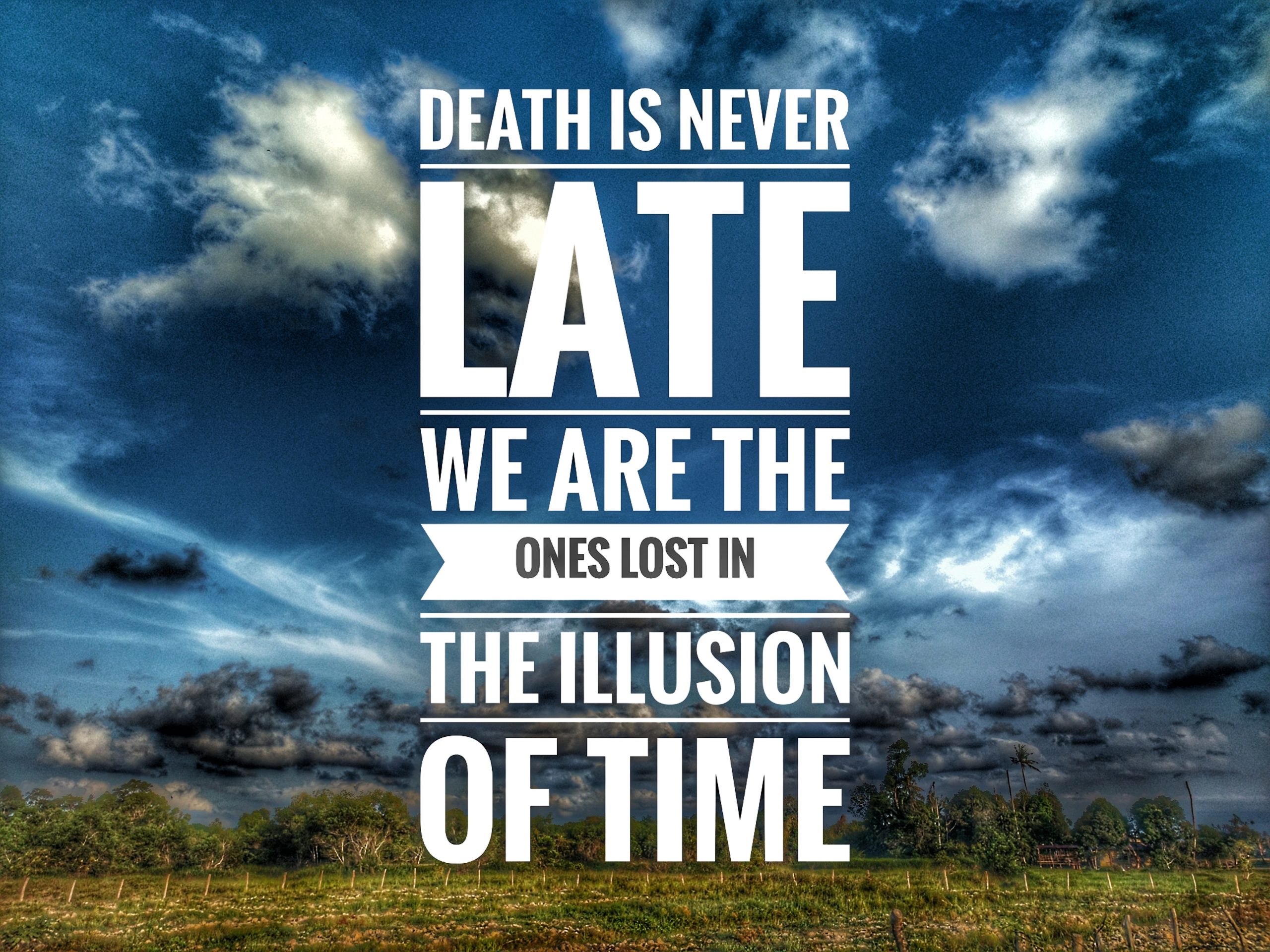
I am not suggesting that we become obsessed with death. I am not arguing against cremation or celebrations of life. I am simply wondering whether our culture’s efforts to keep death out of sight have left many people less prepared to face it. Have we made death more frightening by pretending it doesn’t exist?
Death has not become less certain. It has simply become less visible. And I wonder if one of the greatest gifts we could give ourselves and those we love is the courage to talk honestly about the one journey every one of us will someday take.
Heavenly Father, help us to face the reality of death with honesty rather than fear. Give us the courage to speak openly, trust deeply, and place our lives in Your loving hands. Amen.

AMDG
AMDG is a Latin abbreviation for “Ad Majorem Dei Gloriam,” which means “For the Greater Glory of God.”
I always love to hear from you. You can email me by clicking here.
Please take a moment to share your thoughts about today’s message below.

- Have We Sanitized Death? - October 12, 2026
- Willing Enslavement - October 5, 2026
- The Clouds Remember Me - September 28, 2026
