
Podcast: Play in new window | Download
Subscribe: Apple Podcasts | RSS
Sometimes one word in Scripture can stop us in our tracks. The word that caught my attention this week was imprisoned. It is not a comforting word, yet the more I have pondered it, the more I have realized it may reveal something important about our struggles, our limitations, and the mercy of God. I invite you to read more.
I recently read these words from Saint Paul: “For God has imprisoned all in disobedience so that he may be merciful to all.” (Romans 11:32)
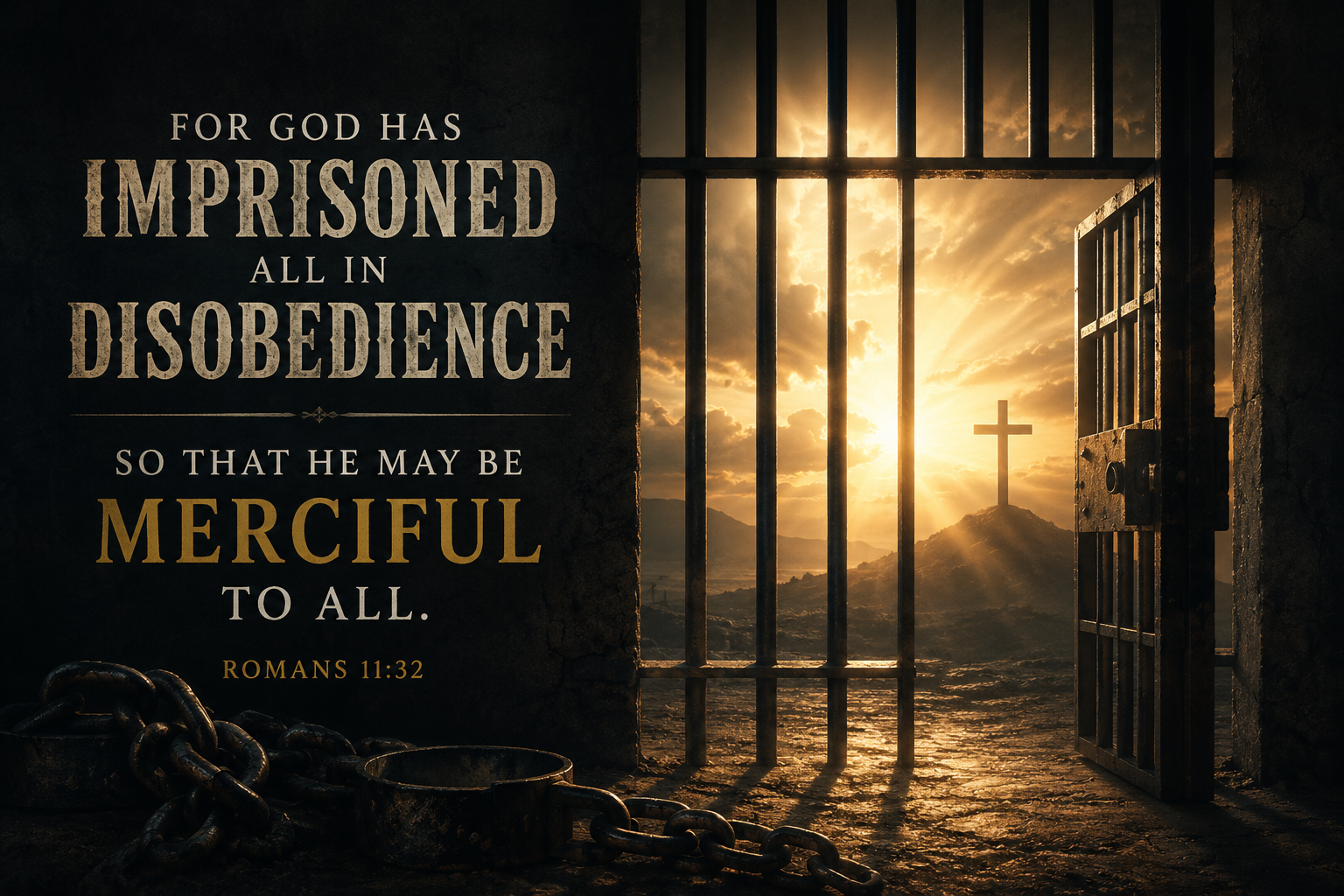
I couldn’t get past the word imprisoned. We normally think of God as the One who sets prisoners free. Jesus came to proclaim liberty to captives. Scripture repeatedly speaks of God breaking chains and opening prison doors. So why would Paul say that God has “imprisoned all in disobedience”?
Paul is speaking first about God’s saving plan for Jews and Gentiles. Neither group can claim to stand before God on the basis of its own righteousness. All have experienced disobedience, and all must finally depend upon mercy. But Paul’s words also invite us to recognize something we encounter personally: none of us can rescue ourselves by our own strength.
That truth runs contrary to much of what the world teaches us. We are told to be strong, independent, self-sufficient, and in control. When something goes wrong, we fix it. When we fail, we try harder. When we discover a weakness, we make another resolution and promise ourselves that next time will be different.
Sometimes that works. We change our behavior, develop better habits, repair relationships, and grow. But eventually most of us encounter something that cannot simply be conquered by trying harder. Maybe it is anger, resentment, pride, fear, addiction, temptation, guilt, or shame. Perhaps it is something we did years ago that we cannot undo, or something done to us that we still carry. We may have asked God repeatedly to remove a particular struggle, yet it remains.
We push against the bars, make promises, and tell ourselves that tomorrow will be different. Eventually, however, we may make a humbling discovery: the key is not in our pocket.
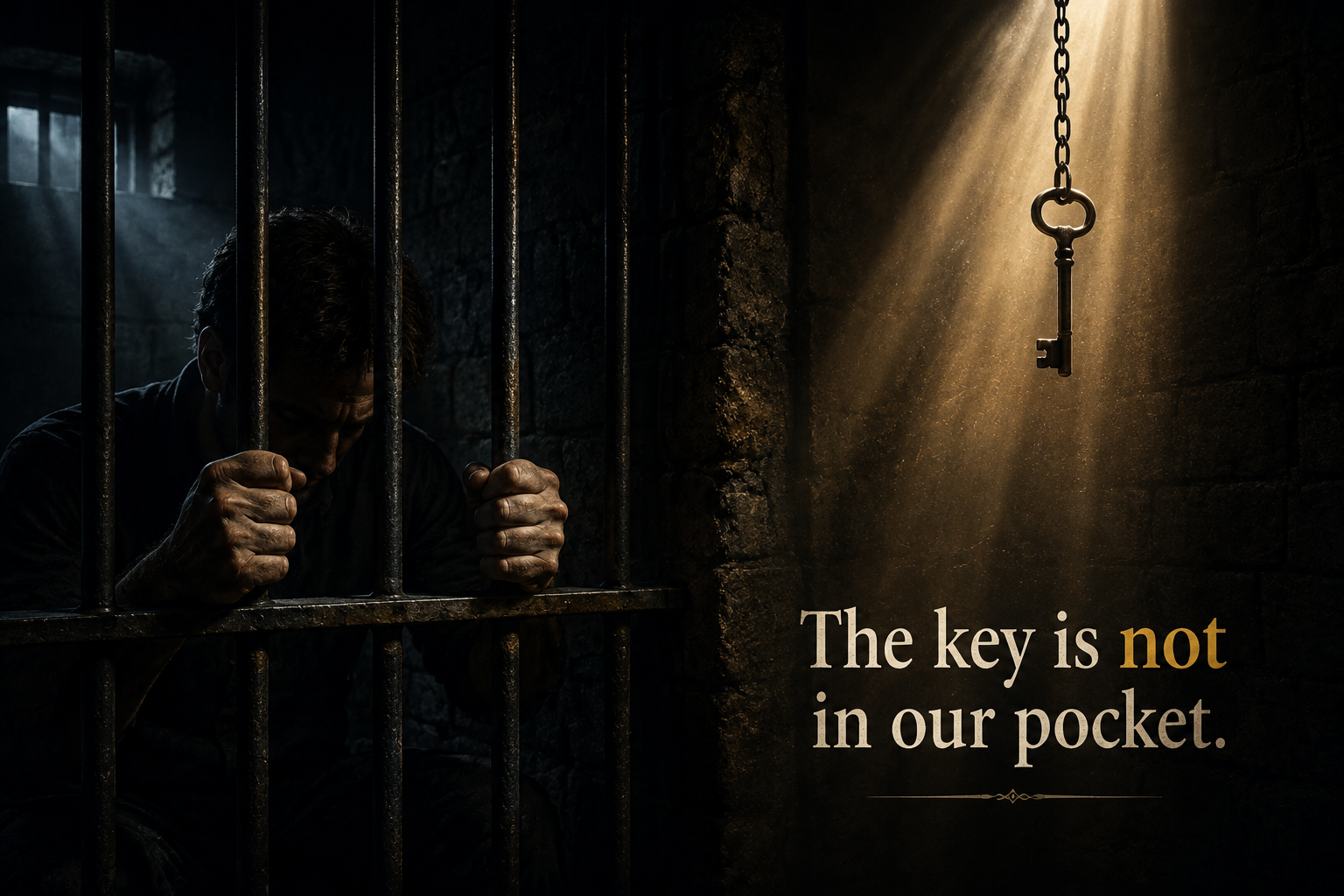
There are places in life where we confront the limits of our own strength. Determination is valuable, but determination alone cannot set us free from every bondage. We need God’s grace, and often we need the help of others as well. That does not mean we stop seeking freedom. It means we stop pretending that freedom can be achieved through willpower alone.
Now listen again to the second half of Paul’s sentence: “so that he may be merciful to all.”
Notice where the sentence ends. It does not end with imprisoned, and it does not end with disobedience. It ends with mercy.

Sometimes, in the midst of a prison we did not choose, we begin to discover more deeply what mercy means. At other times, we may find ourselves imprisoned by our own choices. Either way, God is able to meet us there. This does not mean that God causes our sin, desires our suffering, or wants us to remain trapped. It means that even in places God did not will for us, His grace can still reach us.
When we finally admit, “I cannot do this by myself,” something changes. We become more capable of receiving mercy, and once we recognize how deeply we need mercy ourselves, we may begin looking differently at the struggles of others.
It becomes harder to condemn another person’s weakness when we know our own. It becomes harder to look down upon someone’s failures when we remember how often we have failed. The person who has known failure can sit beside someone who has failed. The person who has experienced shame can understand someone who is ashamed. By God’s grace, even our prisons can become places from which compassion begins to grow.
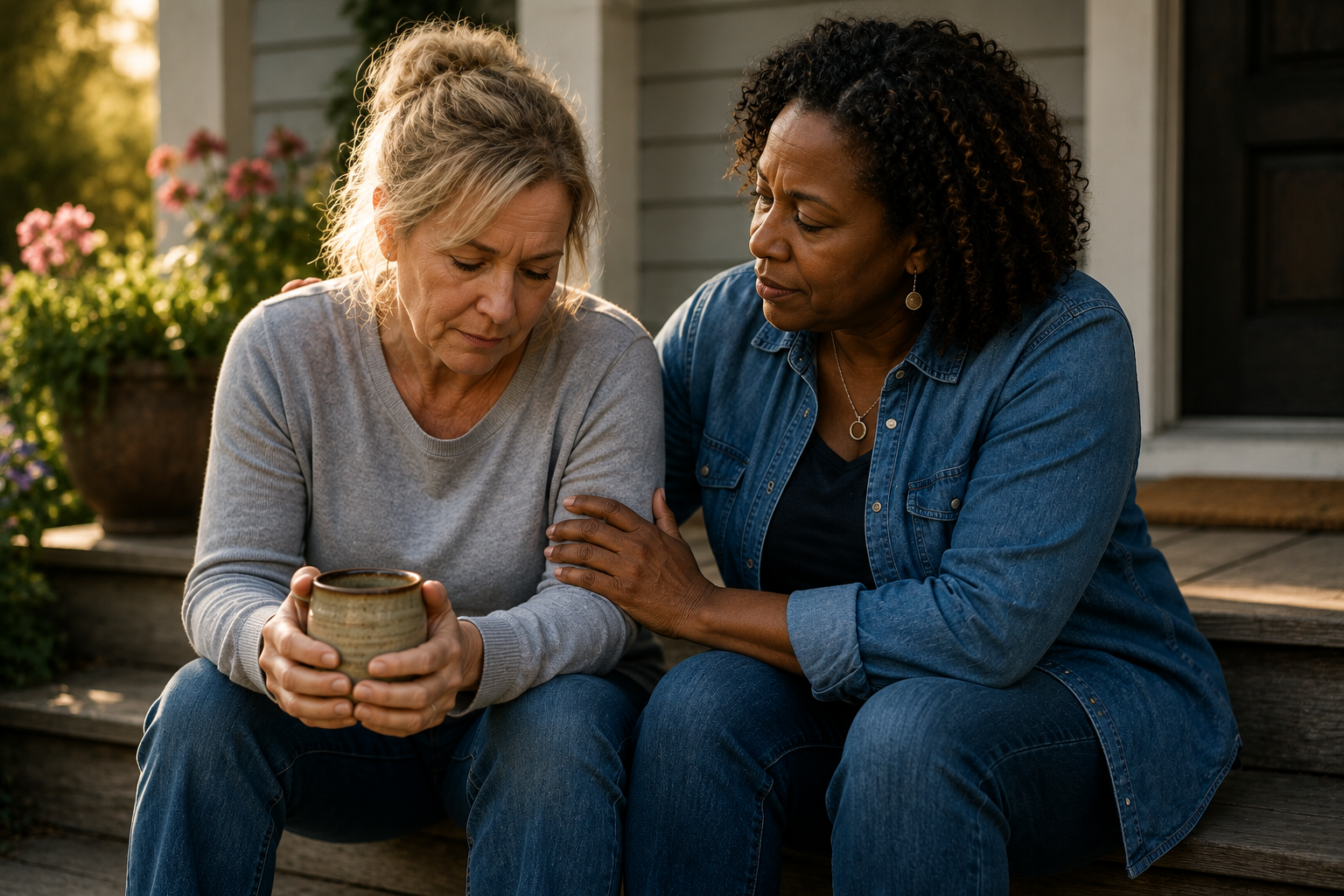
None of this makes sin good or suffering desirable. It simply means that no failure, wound, weakness, or struggle places us beyond God’s reach.
Perhaps that is why Paul seems almost overwhelmed immediately after writing these words. His next sentence begins, “Oh, the depth of the riches and wisdom and knowledge of God! How inscrutable are his judgments and how unsearchable his ways!” (Romans 11:33) Paul seems to reach the limits of explanation and simply marvel at the mystery of God.
There may be prisons in our lives we still do not understand. There may be struggles we wish God would simply remove or parts of our past we would rewrite if we could. We should continue seeking healing and taking the steps that healing requires, while also asking what God may be teaching us about dependence, grace, and mercy.
Maybe the most important word in Paul’s sentence is not imprisoned after all.
The final word is mercy.
Now, here is a new song I wrote to go along with today’s message. To listen to Mercy Knew My Name, click below
Heavenly Father, teach us to trust Your mercy more deeply. When we reach the limits of our own strength, draw us closer to You. Amen!
Have you checked out my new book, Living Out the Lord’s Supper? To find out what readers everywhere are talking about, click here.
AMDG
AMDG is a Latin abbreviation for “Ad Majorem Dei Gloriam,” which means “For the Greater Glory of God.”
I always love to hear from you. You can email me by clicking here.
Please take a moment to share your thoughts about today’s message below.

- Willing Enslavement - October 5, 2026
- The Clouds Remember Me - September 28, 2026
- Lord, Make Me Willing - September 21, 2026

I’m so glad God introduced us at Mtn View and I’m now blessed weekly with your words of inspiration and your beautiful songs.
When you visited the women who are imprisoned for life, Brian, I wonder how many feel imprisoned. Sone must feel God’s mercy. Some must feel hopeless. Yet don’t all of us occasionally? And then “we reach the limits of our own strength” relying on God to draw us closer to him. “Mercy Knew My Name” is worth a listen many times.
Great message and a great song Brian! Thanks!
Steve
I am blessed to know you liked both!
Brian